Phone numbers are notoriously inconsistent in real-world spreadsheets - the same number might appear as (555) 123-4567 in one row, 555-123-4567 in another, 5551234567 with no formatting at all in a third, and +1 555 123 4567 with a country code in a fourth. This variation usually comes from data entered by hand over a long period, or merged from several source systems that each had their own formatting convention for phone numbers.
A phone column with mixed formatting is hard to scan visually, harder to deduplicate correctly, since two formats of the same number look different to an exact-match comparison, and often needs to be standardized before importing into a CRM or dialing system that expects one consistent pattern.

The most reliable way to standardize phone numbers is to first strip every number down to just its digits, removing parentheses, dashes, spaces, and periods, and then reapply a single consistent format to the resulting digit string. This two-step approach avoids the trap of trying to write one formula that recognizes every possible existing format directly, since matching (555) 123-4567 and 555.123.4567 and 5551234567 all at once with a single pattern is far harder than normalizing to digits first and formatting from there.
A combination of SUBSTITUTE calls to remove each type of punctuation character, followed by a custom number format or TEXT formula to reapply consistent formatting, handles most everyday cases.
A common mistake is building a single formula that assumes every phone number in the column has the same number of digits, which breaks as soon as the data includes a mix of numbers with and without a country code or area code. It is worth checking a sample of your specific dataset's variations before choosing a standardization pattern, since a format that works well for a purely domestic contact list may not suit a list containing international numbers.
- Insert a helper column and use nested SUBSTITUTE formulas to strip parentheses, dashes, periods, and spaces from each number.
- Confirm the result in the helper column is a clean string of digits only.
- Use a TEXT formula or custom number format to reapply your chosen consistent pattern, such as (555) 123-4567.
- Copy the helper column and Paste Special > Values over the original phone number column.
- Delete the helper column and spot-check a sample of numbers for correct formatting.
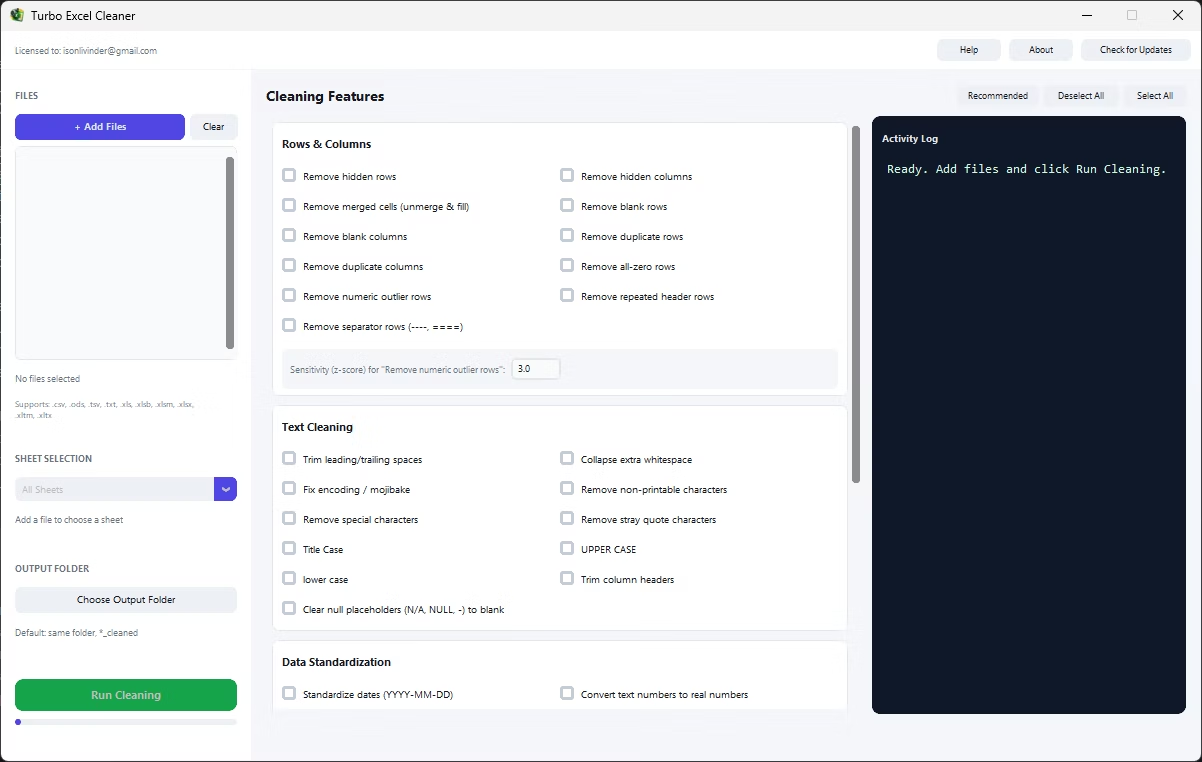
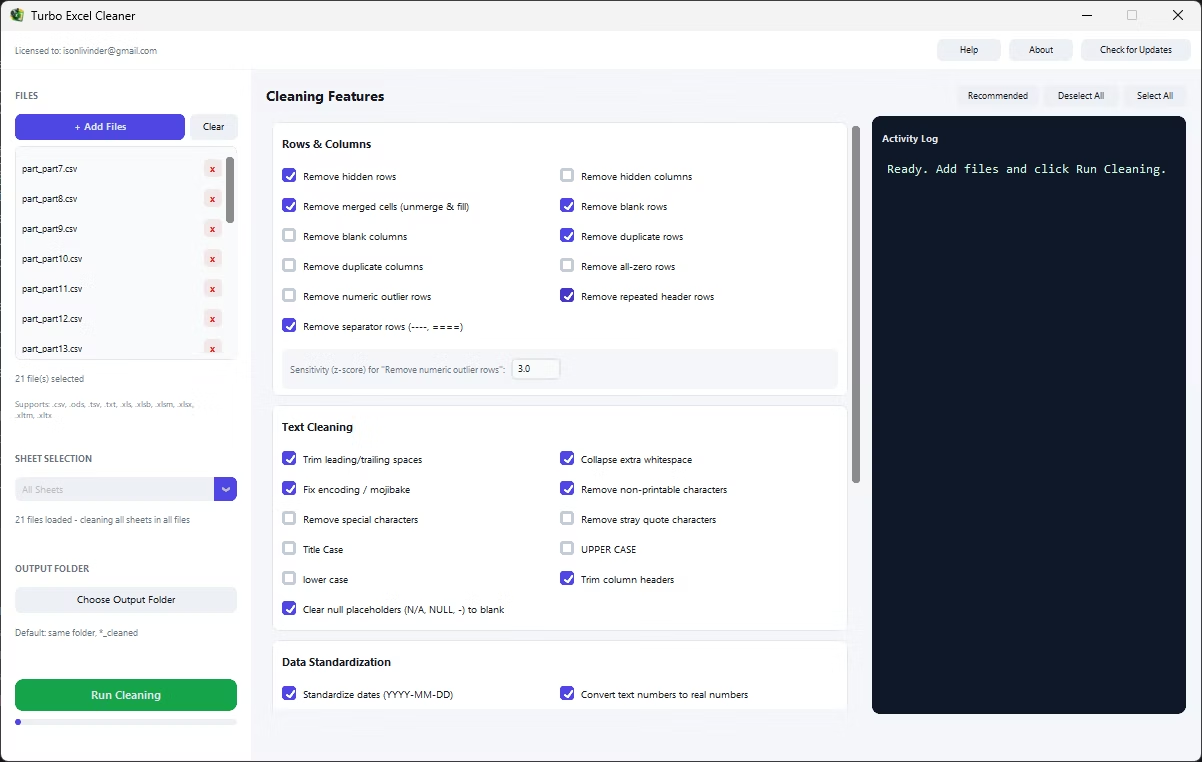
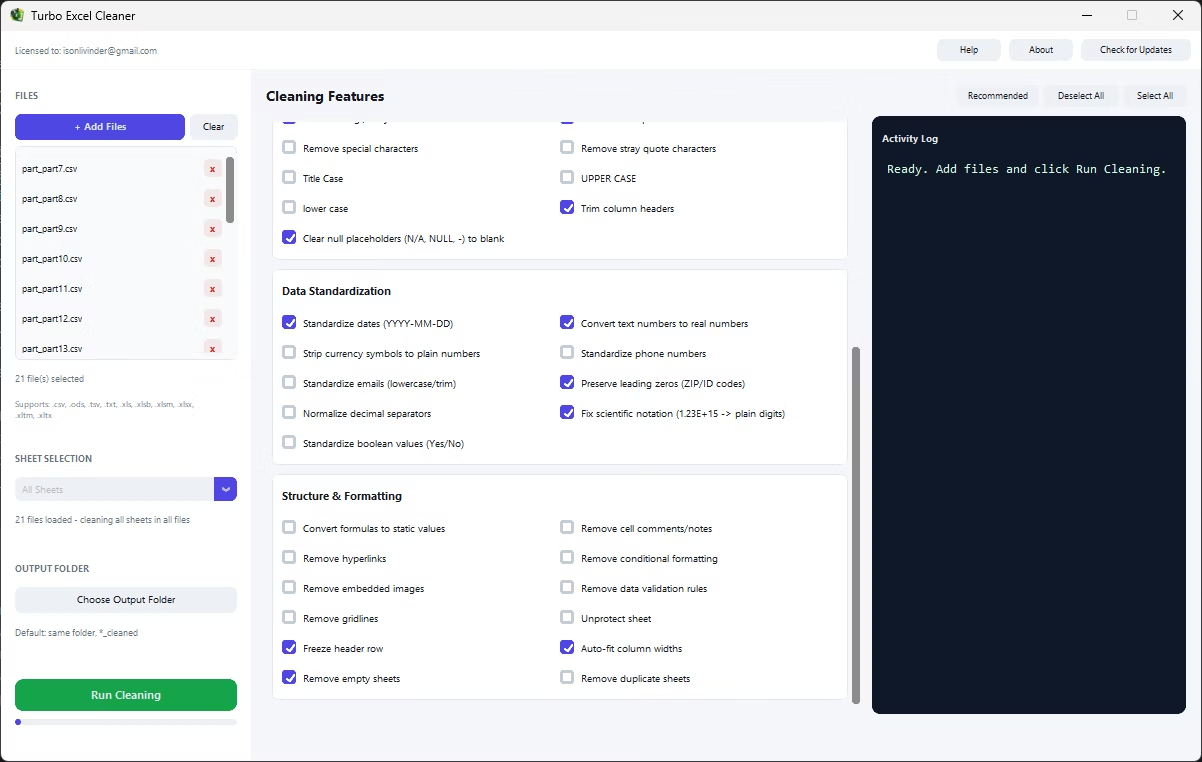
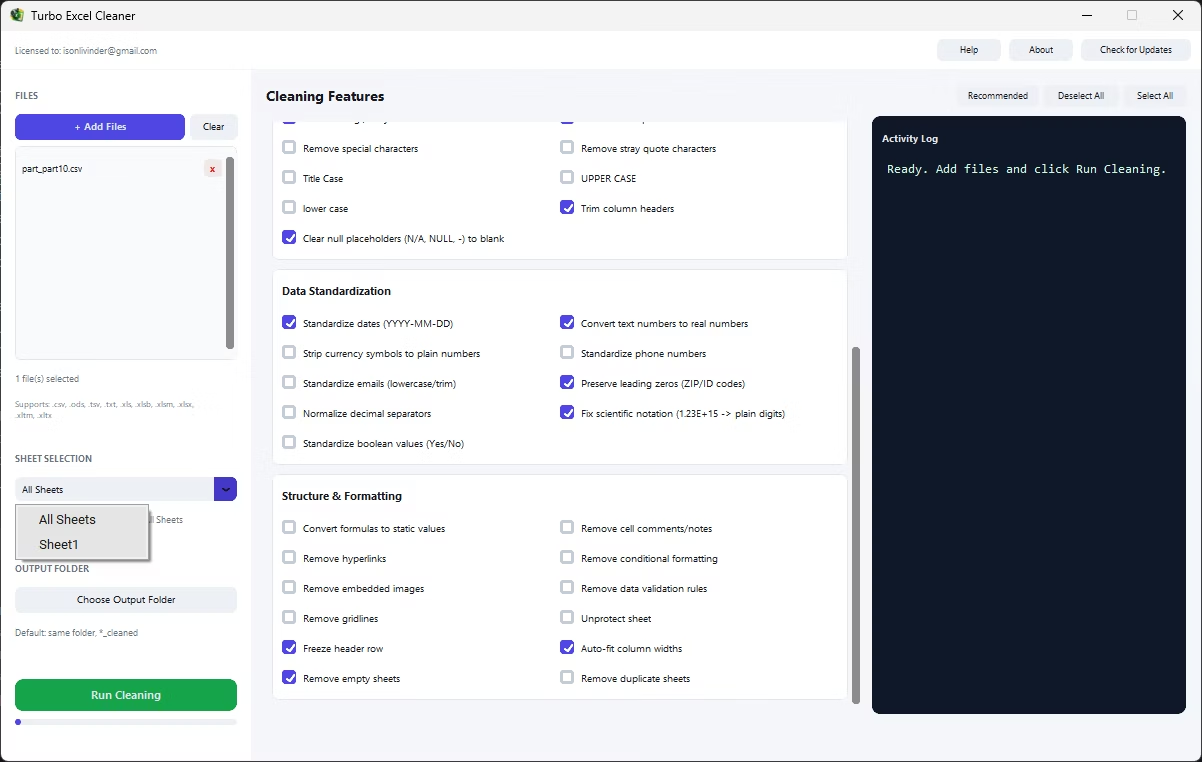
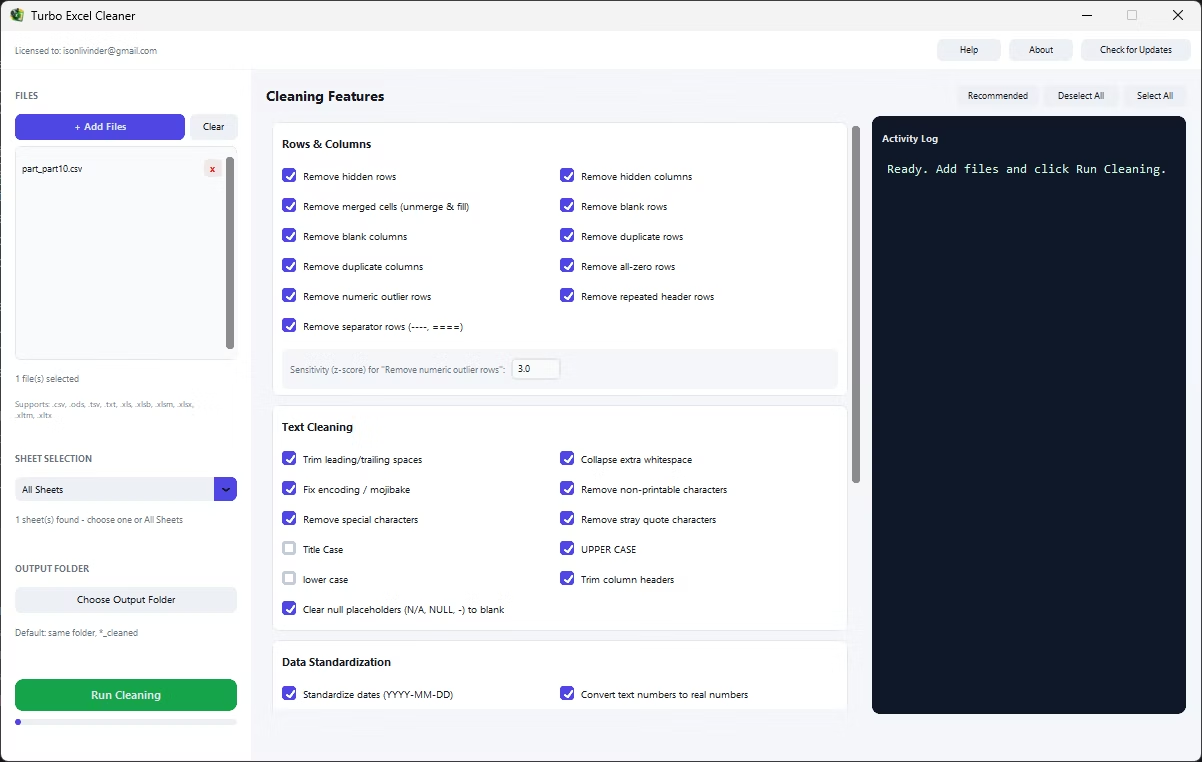
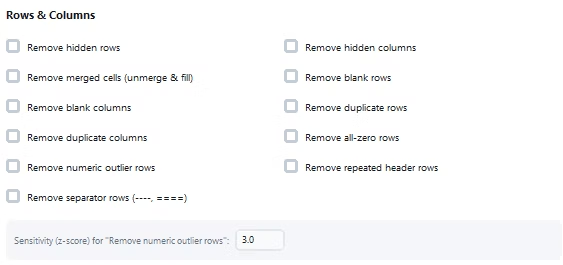
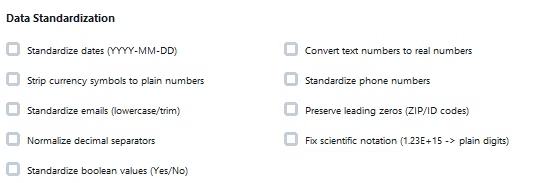
Building and testing nested SUBSTITUTE formulas correctly takes real effort, and repeating that process for every new file in a batch of contact exports is impractical. Turbo Excel Cleaner's Standardize Phone Numbers feature strips existing formatting and reapplies a consistent pattern across every phone number column in every sheet you load, without requiring you to build or debug a formula.
This is particularly useful before importing a contact list into a CRM or dialing platform, since those systems typically expect phone numbers in one predictable format and will otherwise treat differently formatted versions of the same number as separate records.
- Strips inconsistent punctuation and reapplies one clean format
- No nested SUBSTITUTE formulas to build or debug
- Applies across every sheet in every file in the batch
- Improves deduplication accuracy for contact lists
- Works on Excel, OpenDocument, CSV, TSV, and TXT files
Does this handle phone numbers with country codes?
The feature normalizes common formatting patterns including numbers with leading country codes; reviewing a sample of results is recommended for lists containing numbers from many different countries.
Will this fix numbers that lost their leading zero as text-stored digits?
Leading zeros lost through text-to-number conversion are a separate issue from formatting punctuation; if your source numbers include a leading zero that Excel dropped, review the raw import before standardizing formatting.
Can standardizing help deduplicate a contact list?
Yes, once every phone number follows the same format, duplicate detection based on that column becomes much more reliable, since two entries for the same number will now match exactly.
Ready to clean your spreadsheets in bulk, offline, with full privacy?