Dates are one of the most common sources of quiet spreadsheet errors, because the same calendar date can be written many different ways - 3/4/2025, 04-Mar-2025, and 2025.03.04 all mean different things depending on the region and system that produced them, and some of those formats are ambiguous about which number is the day and which is the month. When a column mixes several of these formats, or worse, mixes true date values with dates typed as plain text, sorting the column chronologically and comparing dates with formulas both stop working reliably.
The YYYY-MM-DD format, also known as ISO 8601, avoids this ambiguity entirely, since the four-digit year always comes first and the format sorts correctly as plain text even without being a true Excel date value.
The first step in standardizing a date column is often determining whether the values are genuine Excel date serial numbers or plain text that merely looks like a date - text-based dates are left-aligned by default while true dates are right-aligned, which is a quick visual check. The DATEVALUE function can convert many text date formats into a true date serial number, after which a custom number format of yyyy-mm-dd displays it consistently. Ambiguous formats like 3/4/2025 require extra care, since DATEVALUE has to guess whether that means the third of April or the fourth of March based on your regional settings.
Once every value in the column is a genuine date, applying one consistent display format brings the whole column into alignment.
A common mistake is applying a single DATEVALUE conversion across a column that actually mixes several different regional date conventions, which can silently swap the day and month for some rows without producing any visible error. It is worth checking your regional settings and reviewing a sample of ambiguous dates like 03/04/2025 individually before trusting a bulk conversion, since a wrongly interpreted date can be far more damaging than an obviously malformed one.
- Select the date column and check whether values are left-aligned (text) or right-aligned (true dates).
- For text dates, use a helper column with =DATEVALUE(A1) to convert them into true date serial numbers.
- Copy the helper column and Paste Special > Values over the original column.
- Select the column, right-click, choose Format Cells, and set a Custom format of yyyy-mm-dd.
- Review a sample of converted dates to confirm day and month were not swapped during conversion.
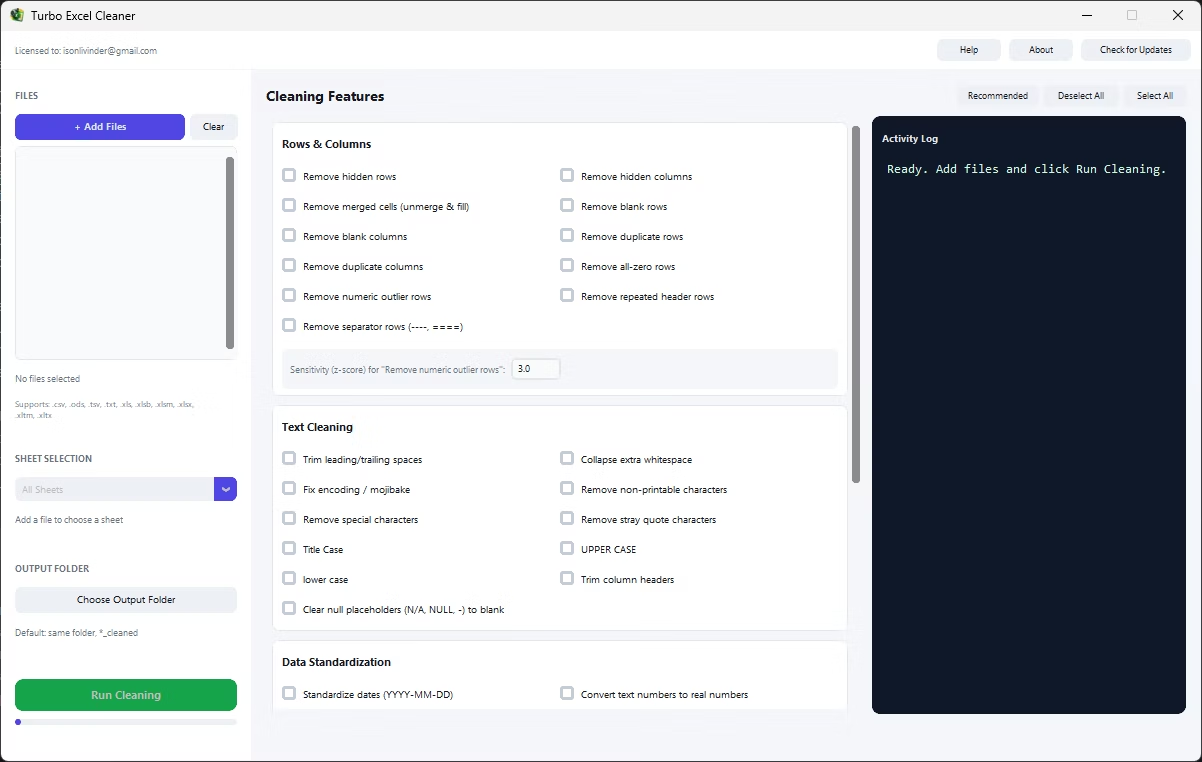
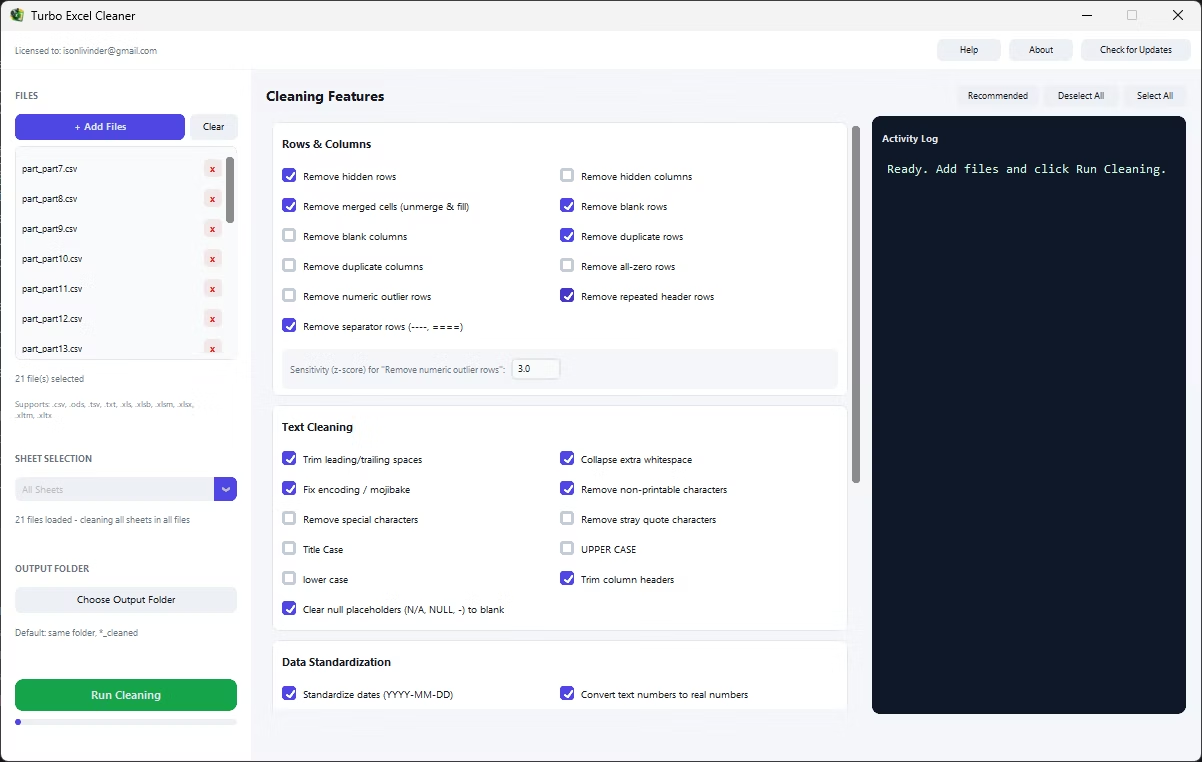
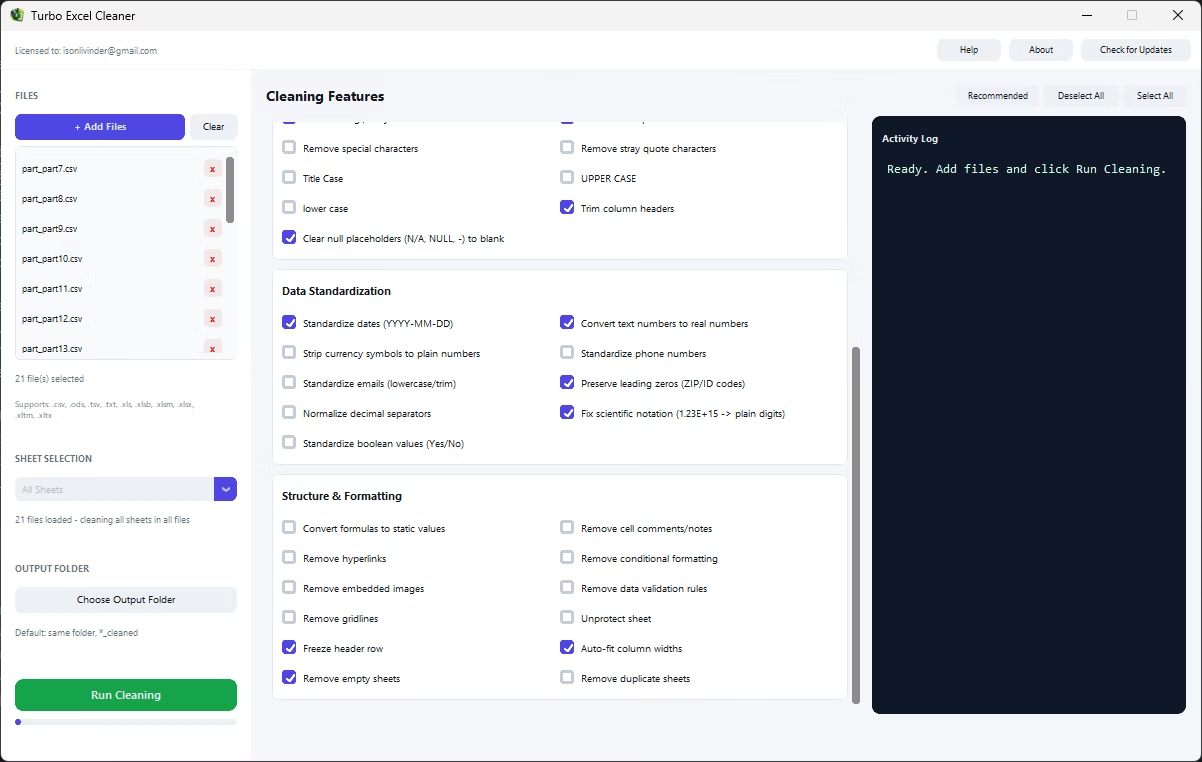
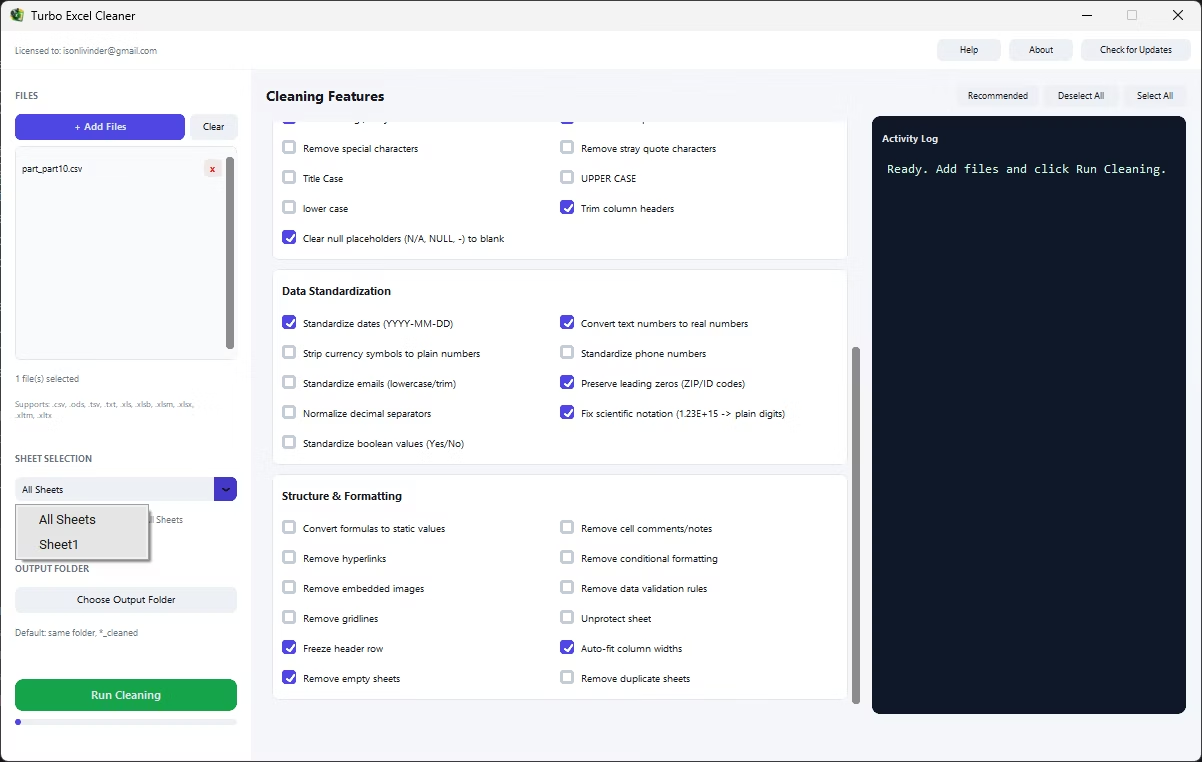
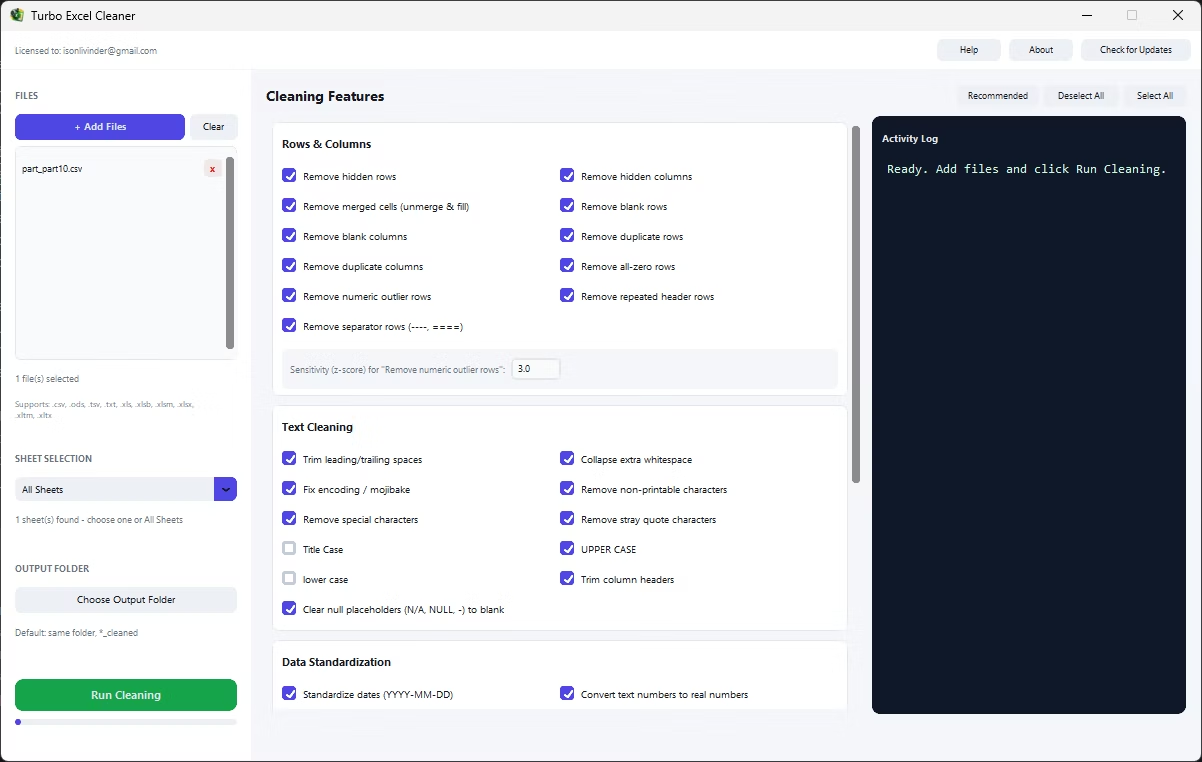
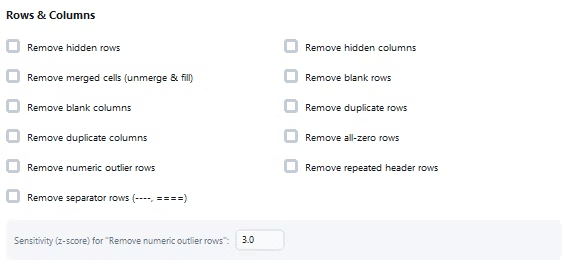
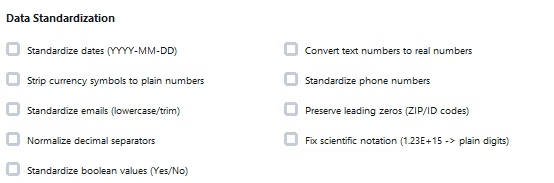
Manually checking alignment, converting text dates, and reformatting every date column across a folder of files is slow, and ambiguous formats make it risky to automate with a single blanket formula. Turbo Excel Cleaner's Standardize Dates feature detects common date patterns in your data - including mixed text and true-date values - and converts them to a consistent YYYY-MM-DD format automatically, across every sheet in every file you load.
Because the feature is applied consistently across an entire batch, reports and exports that previously mixed several date conventions come out the other side sortable, comparable, and ready to import into any system that expects ISO-formatted dates.
- Detects and standardizes mixed date formats automatically
- Converts text-based dates into a consistent display format
- Applies YYYY-MM-DD across every sheet in the batch
- Produces dates that sort correctly and match reliably
- Works on Excel, OpenDocument, CSV, TSV, and TXT files
Why is YYYY-MM-DD considered the safest date format?
Because the year comes first, dates in this format sort correctly even as plain text, and the format removes the day-versus-month ambiguity present in formats like 3/4/2025.
Can this fix dates that are stored as plain text instead of real dates?
Yes, the standardization feature is designed to handle both text-based date strings and true Excel date values, bringing both into the same consistent format.
What happens to ambiguous dates like 3/4/2025?
Ambiguous formats are interpreted using common regional conventions; reviewing a sample of converted dates is recommended whenever a source file's date convention is uncertain.
Ready to clean your spreadsheets in bulk, offline, with full privacy?