Empty sheets are a common byproduct of everyday spreadsheet work - a new blank workbook starts with several default sheet tabs that many people never delete if they only end up using one of them, a sheet used for temporary scratch calculations gets cleared out but the tab itself is left behind, or a template includes placeholder tabs meant for data that never actually got filled in. None of this is usually intentional, but it accumulates, and a workbook with several unused blank tabs is harder to navigate and slightly larger than it needs to be.
Removing empty sheets tidies up the tab bar at the bottom of the window and ensures every tab in a shared file actually contains something relevant.
A sheet can look empty at first glance while still containing something worth checking for first - a single stray value far outside the visible area, a named range, or a formula on another sheet that references it even though it currently displays no visible data. Pressing Ctrl+End on a sheet jumps to the last used cell, which is a fast way to confirm whether a sheet's used range is genuinely empty or just appears that way because the content is far from cell A1.
Checking for cross-sheet references before deleting is also worth the extra minute, since removing a sheet that a formula elsewhere depends on will break that formula.
A common mistake is judging a sheet empty just by looking at the visible area near cell A1, when a stray value sitting far outside the normal view can still make the sheet's true used range non-empty. Pressing Ctrl+End to jump to the actual last used cell is a more reliable check than a quick visual scan, and it is worth doing on every sheet before assuming a tab is safe to delete.
- Click each sheet tab and press Ctrl+End to check whether the sheet has any used cells at all.
- Note which sheets are genuinely empty across their entire used range.
- Right-click the tab of a confirmed empty sheet.
- Choose Delete from the context menu and confirm if prompted.
- Repeat for each additional empty sheet, checking for broken formula references as you go.
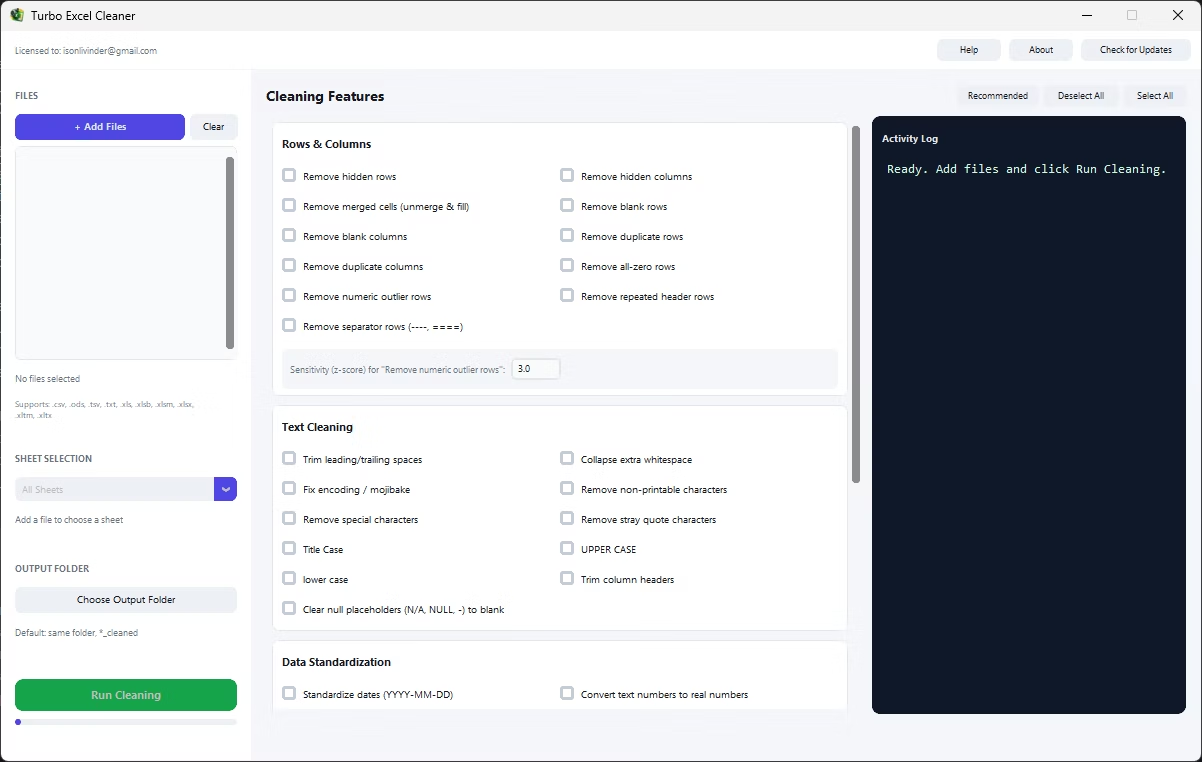
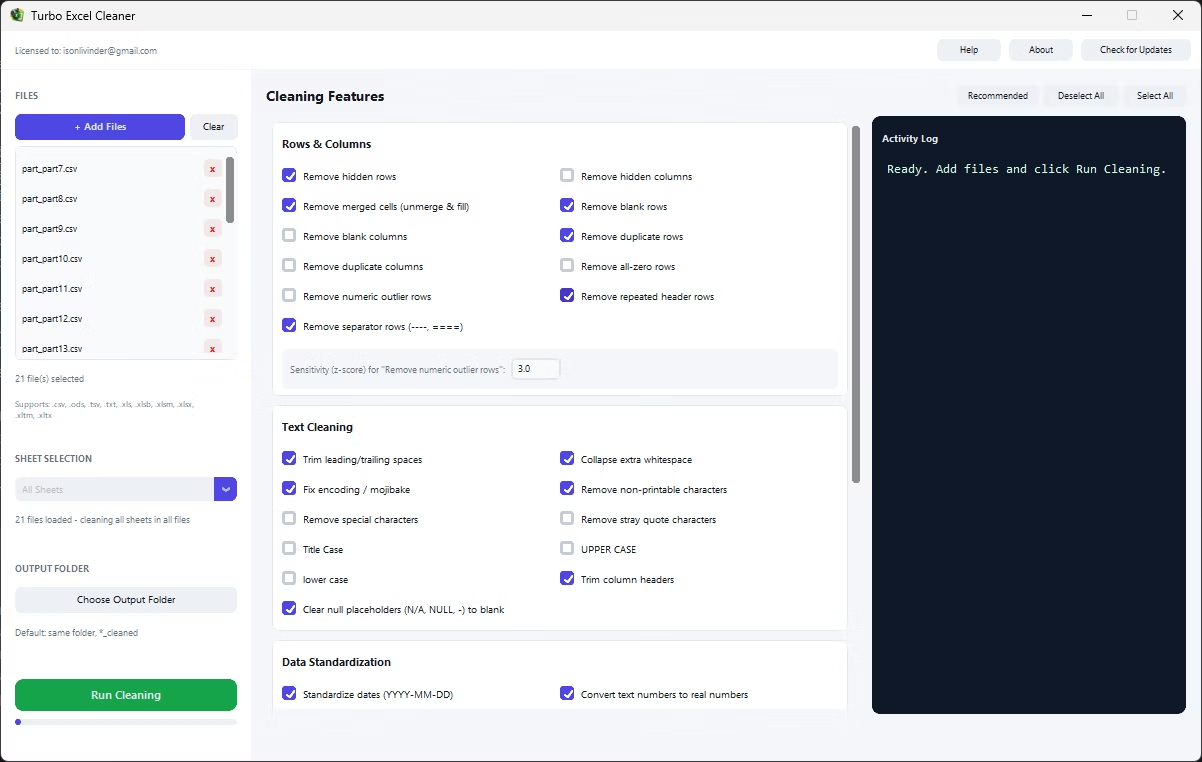
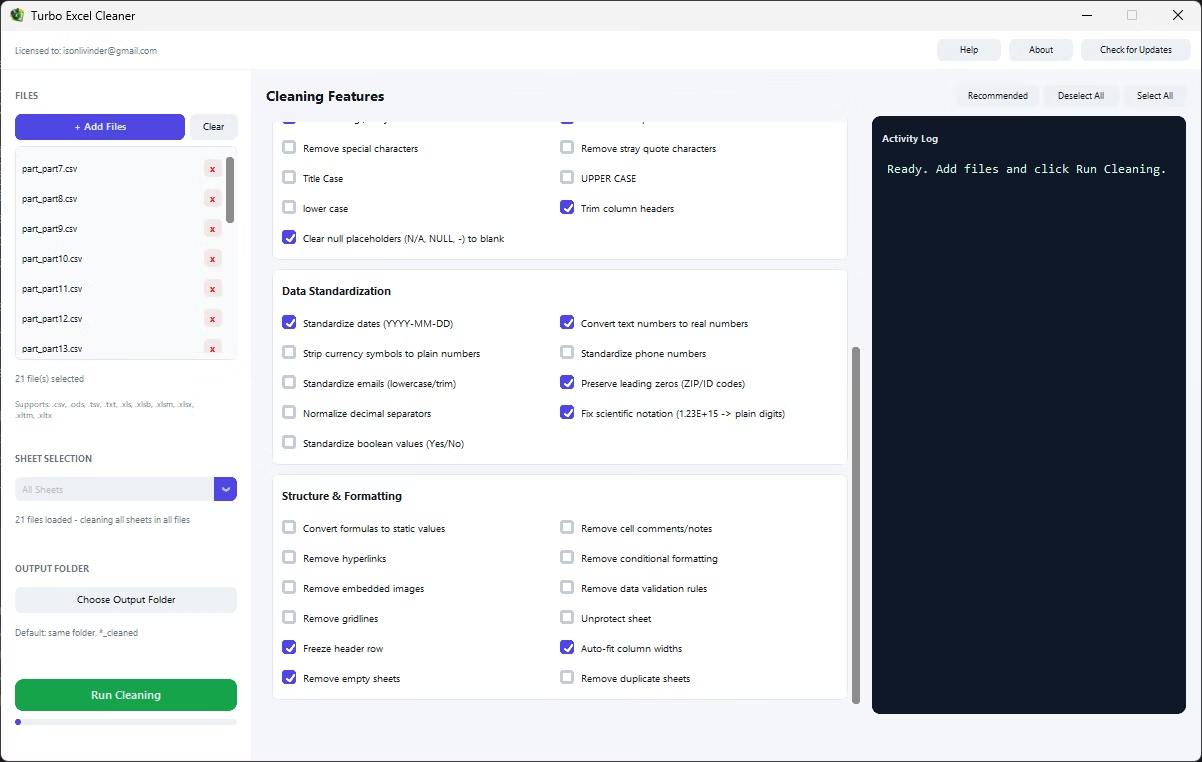
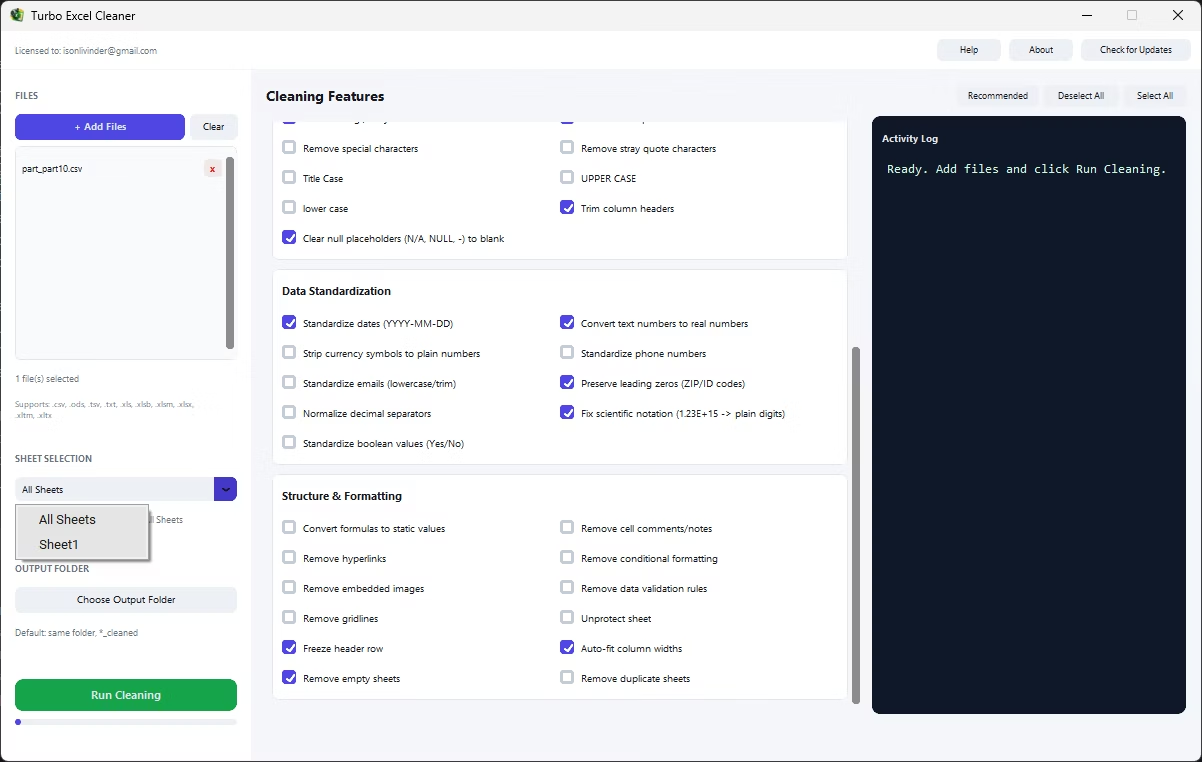
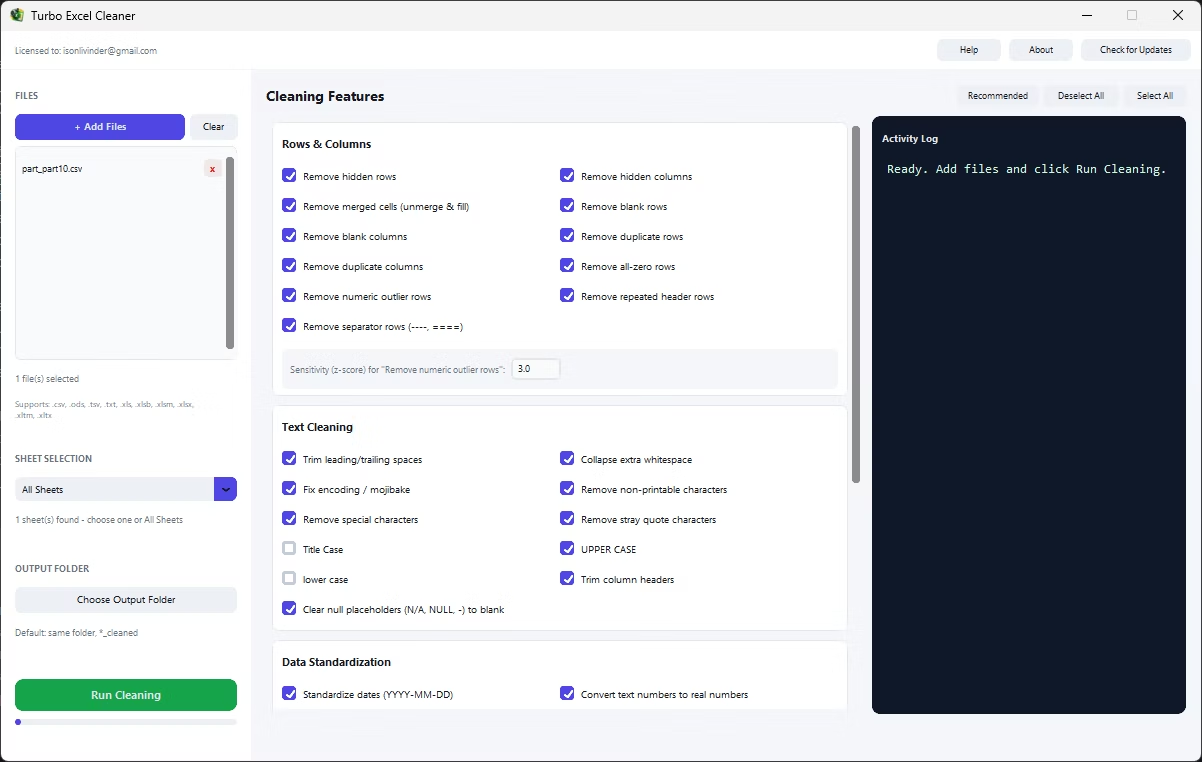
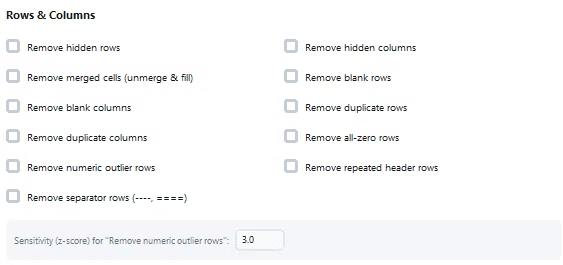
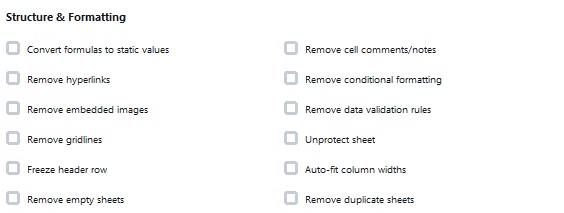
Checking every tab with Ctrl+End works for a workbook with a handful of sheets, but a file with many tabs, or a folder of workbooks that have each picked up their own unused placeholder sheets, makes the manual check repetitive. Turbo Excel Cleaner's Remove Empty Sheets feature scans every sheet in a workbook, identifies tabs with no meaningful content anywhere in their used range, and removes them automatically.
This is often run together with Remove Duplicate Sheets as a final structural cleanup step, leaving a workbook with only the tabs that actually contain relevant data, applied consistently across every file in a batch rather than sheet by sheet.
- Automatically detects worksheets with no meaningful content
- Removes unused blank tabs across an entire workbook
- Pairs well with duplicate sheet removal for full tidy-up
- Applies across an unlimited number of files in a batch
- Works on Excel and OpenDocument workbook formats
Will this remove a sheet that has formatting but no data?
A sheet with formatting applied but no actual values, text, or formulas anywhere in its used range is generally treated as empty and eligible for removal.
What if an empty-looking sheet is referenced by a formula elsewhere?
Reviewing cross-sheet formula references before a batch cleaning run is a good habit, since removing a sheet that another formula depends on will produce a #REF! error in that formula.
Can this be combined with removing duplicate sheets in one run?
Yes, both are independently selectable structural cleaning features and are commonly used together to fully tidy up a workbook's sheet tabs in a single pass.
Ready to clean your spreadsheets in bulk, offline, with full privacy?