Conditional formatting - color scales, data bars, icon sets, and rules that highlight cells meeting a specific condition - is a powerful way to visually flag important values, but the rules behind it are invisible once applied, which makes them easy to forget about. A sheet that has been copied, reused as a template, or edited over a long period often ends up with old rules still active, sometimes referencing a range that no longer matches the current data, producing highlighting that looks wrong or simply does not make sense anymore.
Clearing outdated conditional formatting resets a sheet to a clean visual baseline, which is especially useful before applying new formatting rules or handing a template off to someone else who was not involved in setting up the original rules.

Excel's Clear Rules menu, found under Conditional Formatting on the Home tab, offers two relevant options - clearing rules from just the currently selected cells, or clearing rules from the entire sheet at once. Choosing the wrong scope is a common mistake: clearing only the selected range leaves rules active elsewhere on the sheet that may still be causing unexpected highlighting, while clearing the entire sheet removes rules you may have wanted to keep in an unrelated part of the workbook.
Checking the Conditional Formatting Rules Manager first, which lists every active rule and the range it applies to, helps you understand exactly what is currently set up before deciding how broadly to clear it.
A common mistake is clicking Clear Rules from Entire Sheet when only a small range actually needed to be reset, accidentally wiping out unrelated formatting rules elsewhere on the same tab that were still working correctly. Checking the Conditional Formatting Rules Manager first, to see exactly which ranges each rule covers, helps avoid this kind of over-broad cleanup and makes it easier to target only the rules that are actually causing a problem.
- Go to the Home tab and click Conditional Formatting, then Manage Rules to review what is currently applied.
- Decide whether you need to clear rules from a specific range or the entire sheet.
- Click Conditional Formatting again, choose Clear Rules.
- Select either Clear Rules from Selected Cells or Clear Rules from Entire Sheet as appropriate.
- Confirm the highlighting has been removed and save the file.
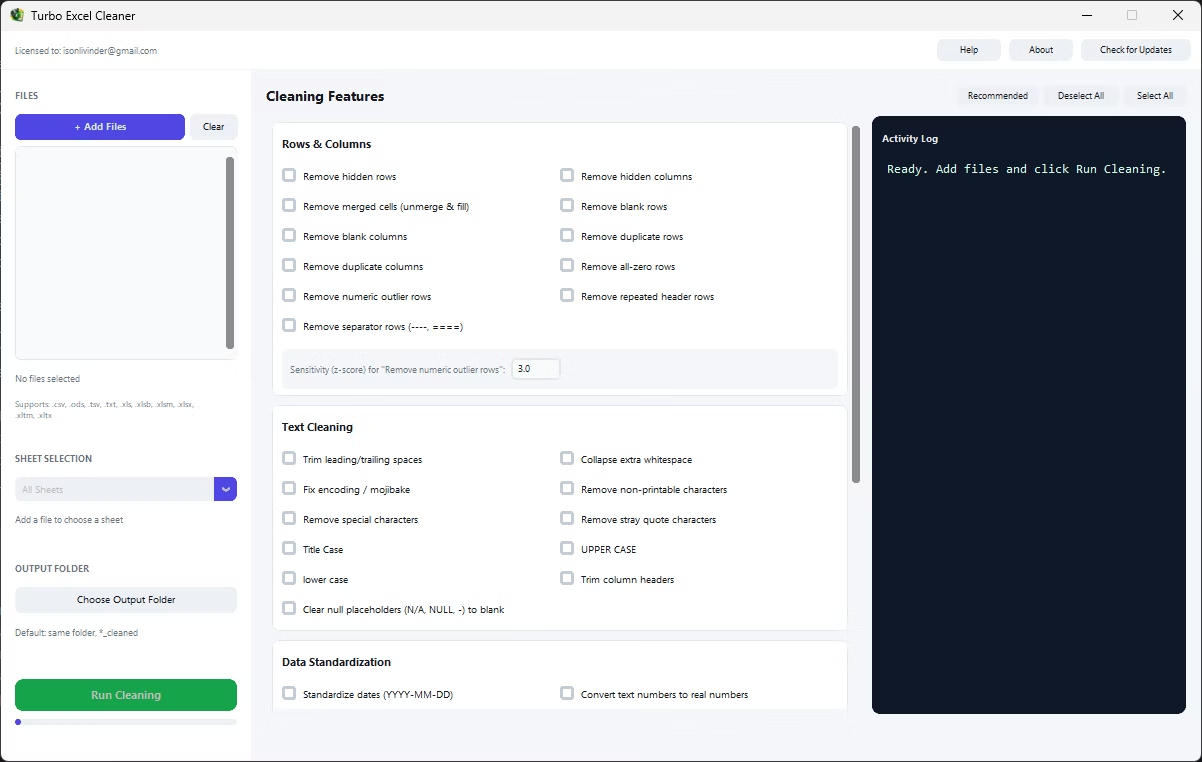
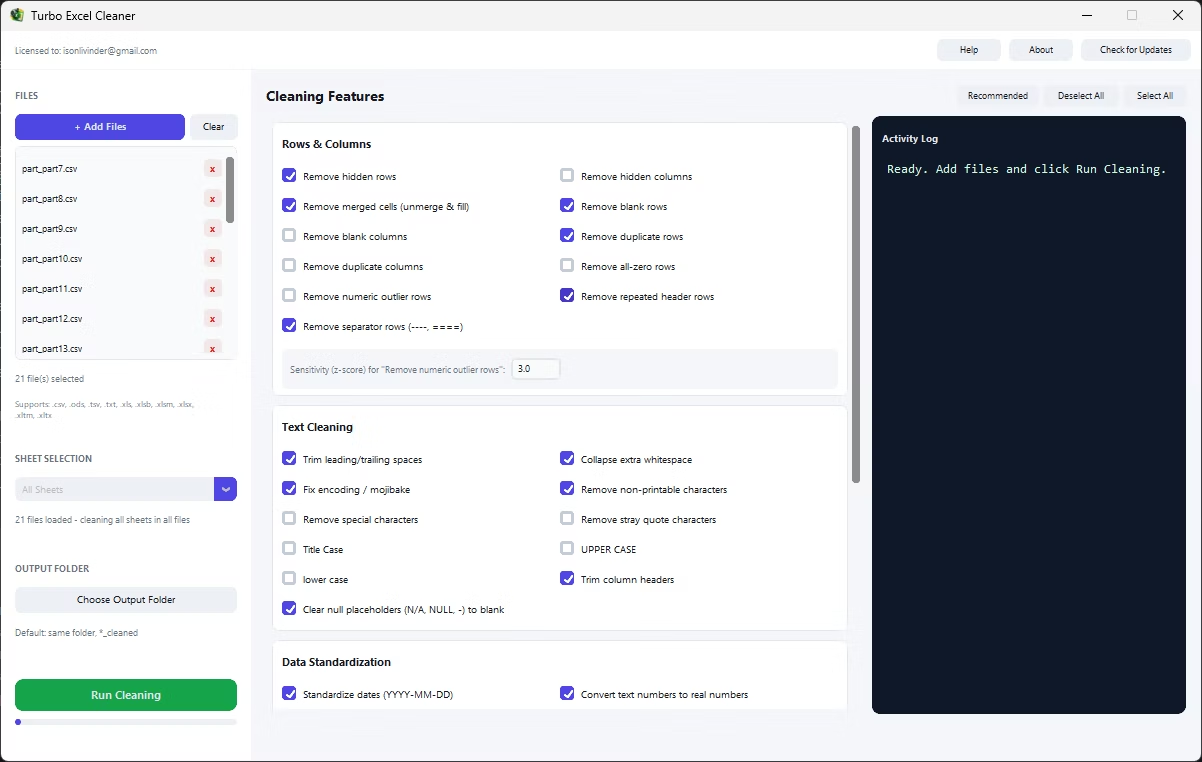
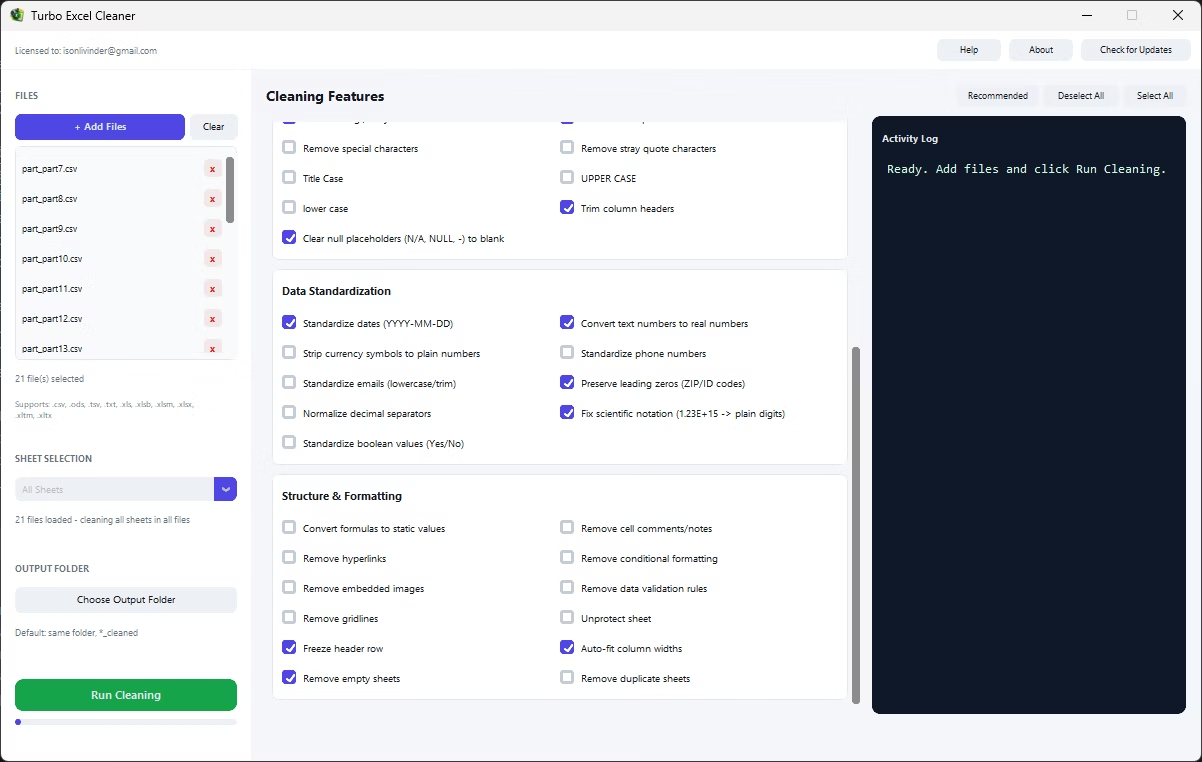
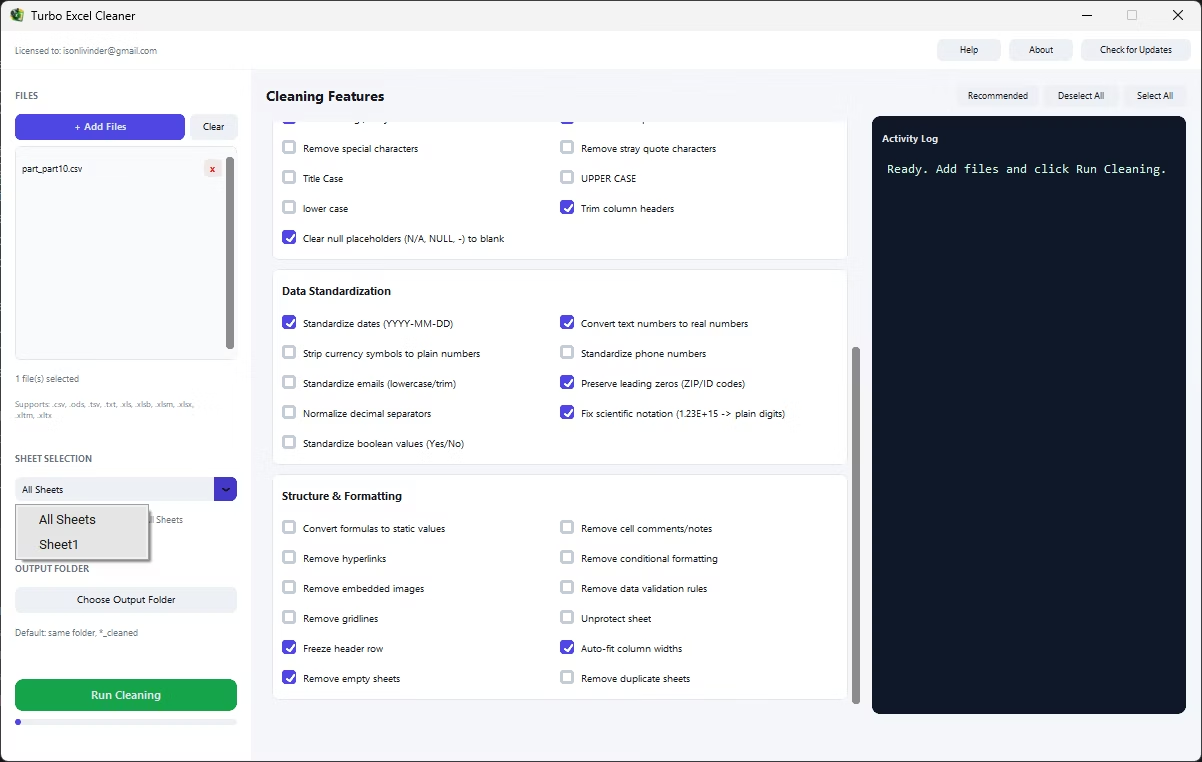
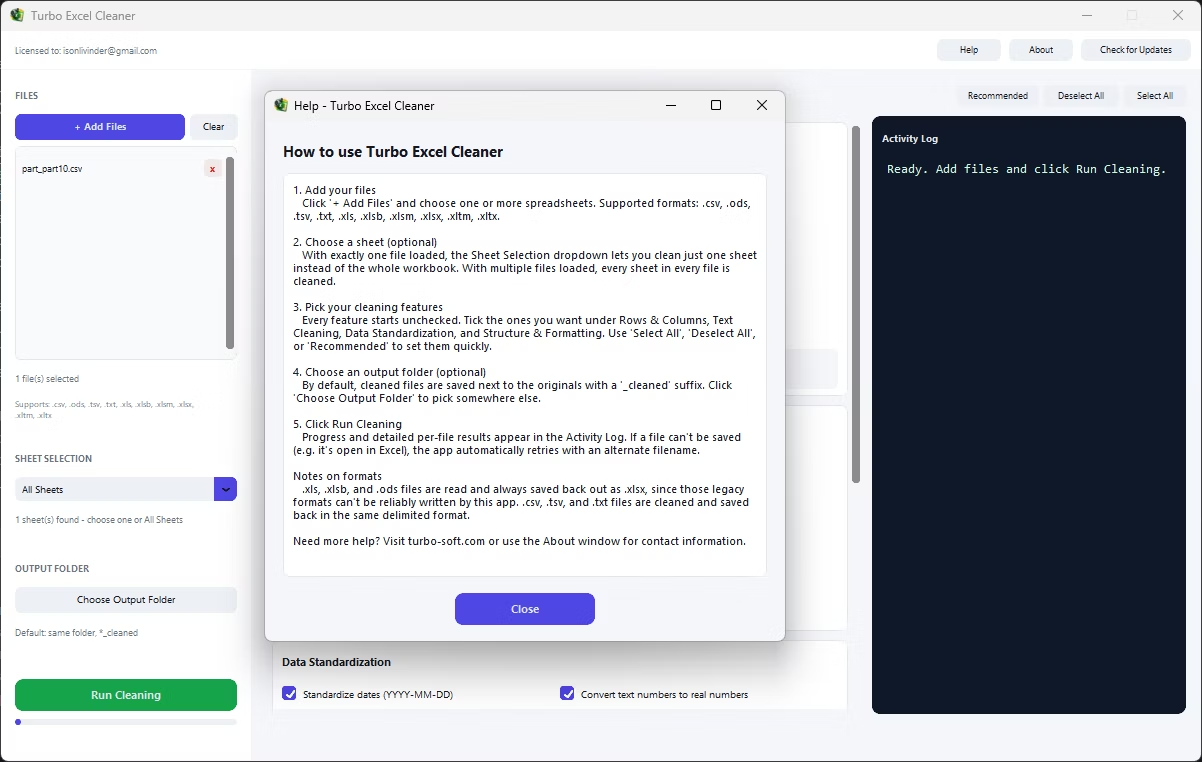
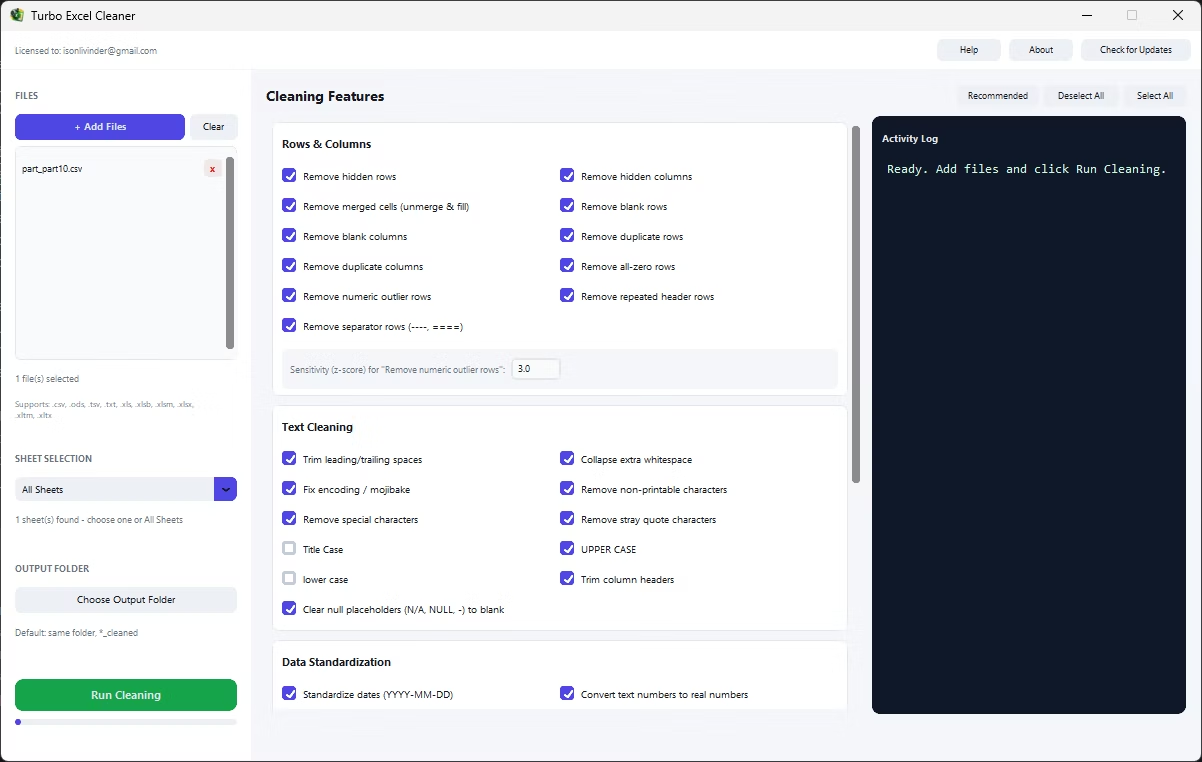
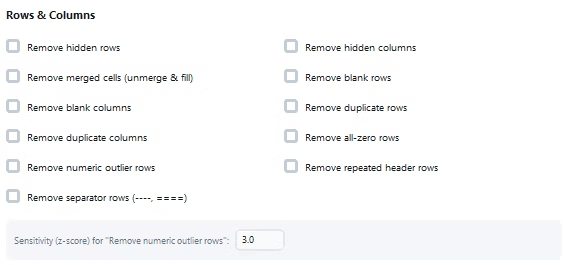
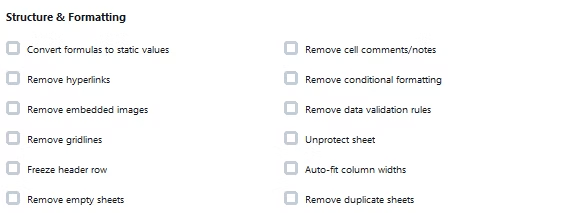
Reviewing the Rules Manager and clearing formatting sheet by sheet is manageable for one workbook, but a folder of files inherited from a shared template, each carrying its own set of outdated rules, benefits from a faster and more consistent approach. Turbo Excel Cleaner's Remove Conditional Formatting feature clears every conditional formatting rule from every sheet in every file you load automatically, without needing to open the Rules Manager for each one.
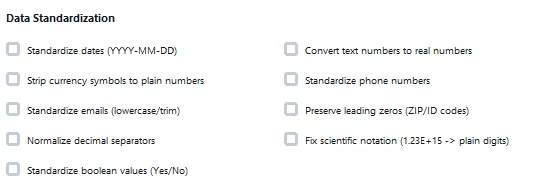
This is frequently used alongside Convert Formulas to Static Values as part of a "flatten the file" cleanup pass, stripping out both the dynamic formatting logic and the calculation logic to leave behind a plain, stable dataset.
- Clears every conditional formatting rule from a sheet
- No need to check the Rules Manager file by file
- Applies across every sheet in every file in the batch
- Pairs well with converting formulas to static values
- Works on Excel and OpenDocument workbook formats
Will clearing conditional formatting delete my data?
No, conditional formatting is a visual rule layered on top of cell values; clearing it only removes the automatic highlighting, not the underlying data.
Can I remove rules from just one part of a sheet?
Yes, Excel's Clear Rules from Selected Cells option lets you target a specific range, while the batch feature clears an entire sheet at once for faster bulk cleanup.
Why does old conditional formatting sometimes look wrong on new data?
A rule's range or threshold is fixed when it is created, so if the underlying data changes significantly afterward, the original rule can end up highlighting cells in a way that no longer matches its original intent.
Ready to clean your spreadsheets in bulk, offline, with full privacy?