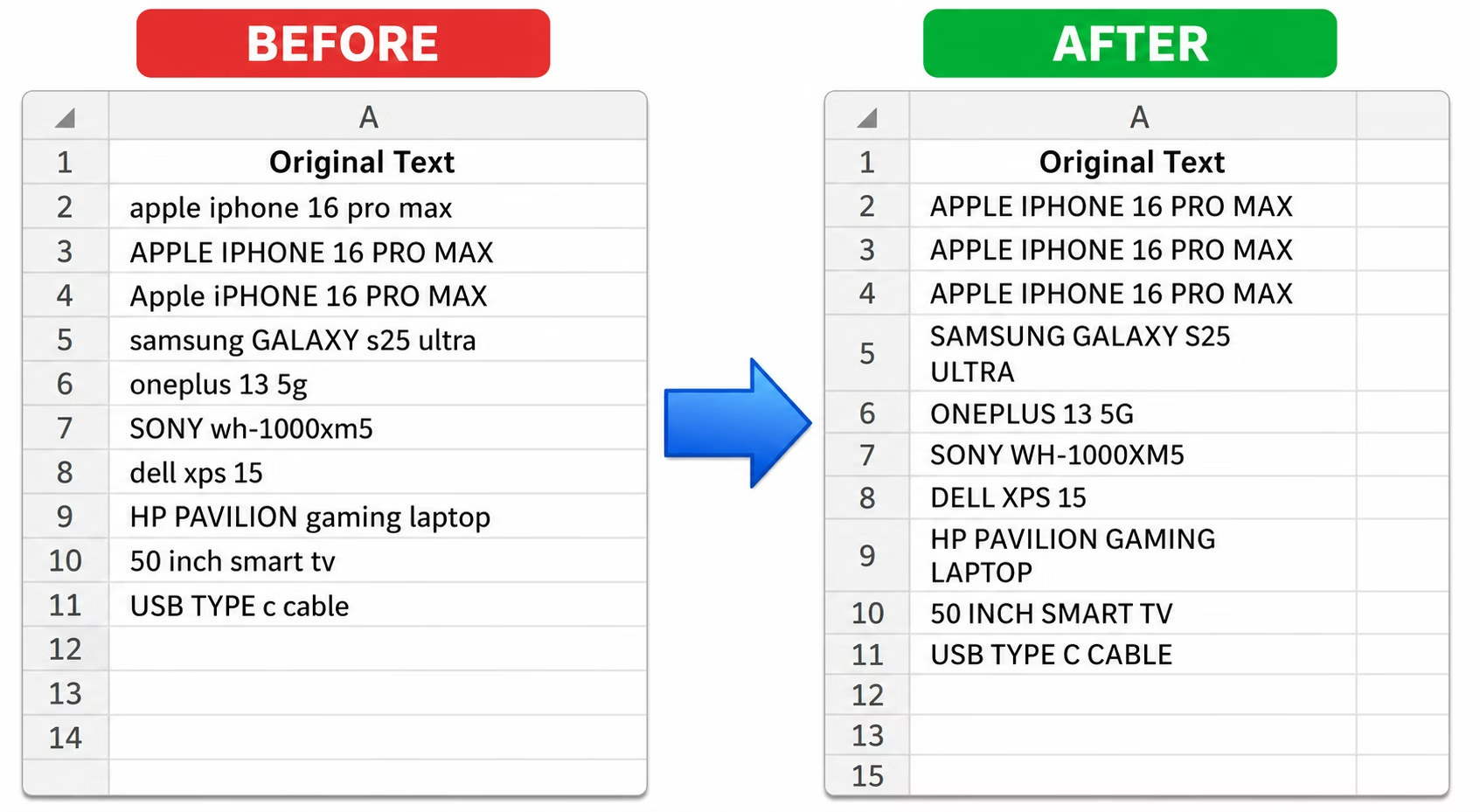
Title Case - where the first letter of each word is capitalized, such as "John Smith" or "Customer Support Manager" - is the expected format for names, job titles, product names, and many other text fields that will be displayed to a reader. Data pulled from a database or entered inconsistently by hand often arrives in all lowercase, all uppercase, or a random mix, which looks unprofessional in a report or export and can complicate exact-match comparisons with other data sources that already use consistent Title Case.
Converting a column to Title Case brings that consistency back without requiring anyone to manually retype every entry.


Excel's PROPER function capitalizes the first letter of every word in a text string and lowercases the rest, which handles most everyday names and titles correctly. It does have known limitations, though - it will incorrectly capitalize letters after an apostrophe, turning "O'brien" into "O'Brien" being one of the rare cases it gets right, but names like "McDonald" become "Mcdonald" since PROPER has no way to know about a mid-word capital that does not follow a space. For most bulk-cleaning purposes this trade-off is acceptable, since the alternative is fully manual retyping.
As with UPPER and LOWER, applying PROPER across a column requires a helper column and a paste-as-values step.
A common mistake is expecting PROPER to correctly handle every name format, when in reality it capitalizes only the letter following a space, so names with an internal capital like McDonald or O'Neill often come out wrong and need a manual review afterward. It is also worth checking abbreviations and acronyms in a Title Case column, since PROPER will lowercase every letter after the first one, turning "USA" into "Usa" unless handled separately.
- Insert a helper column next to the text you want to convert.
- Enter =PROPER(A1) in the first cell of the helper column.
- Fill the formula down across your full data range.
- Copy the helper column and use Paste Special > Values over the original column.
- Delete the helper column once the conversion is complete.
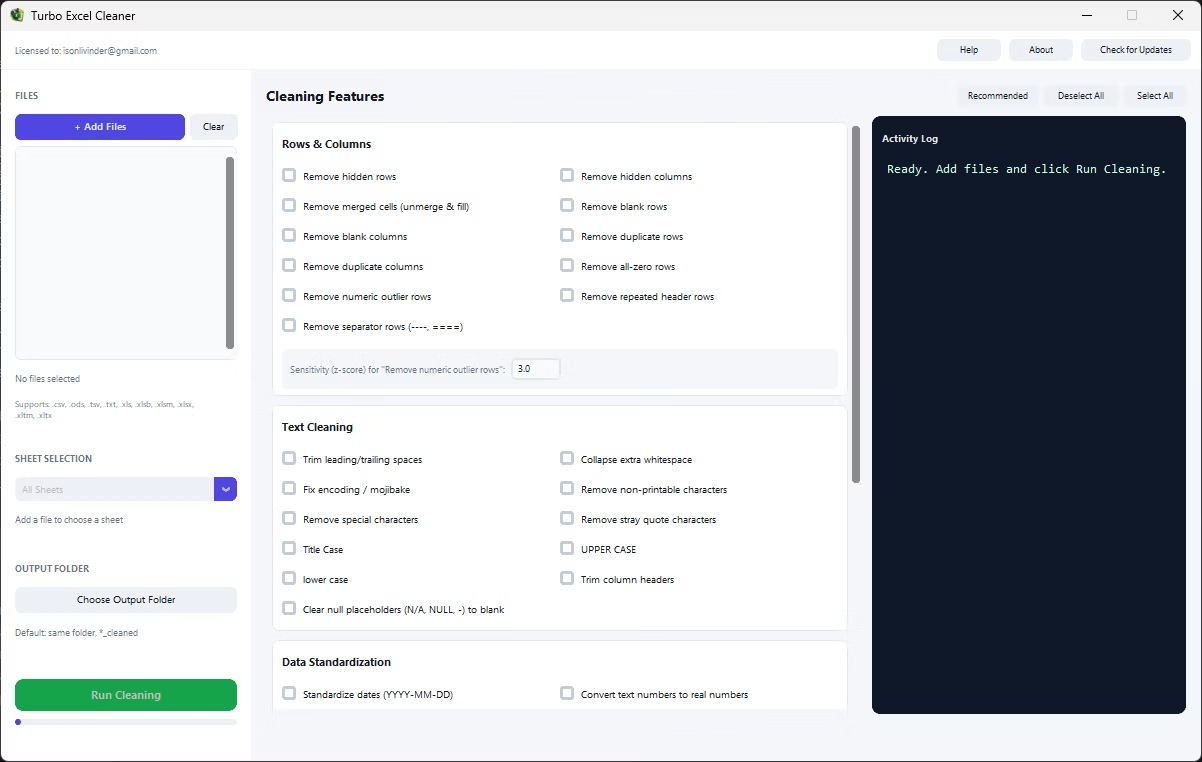
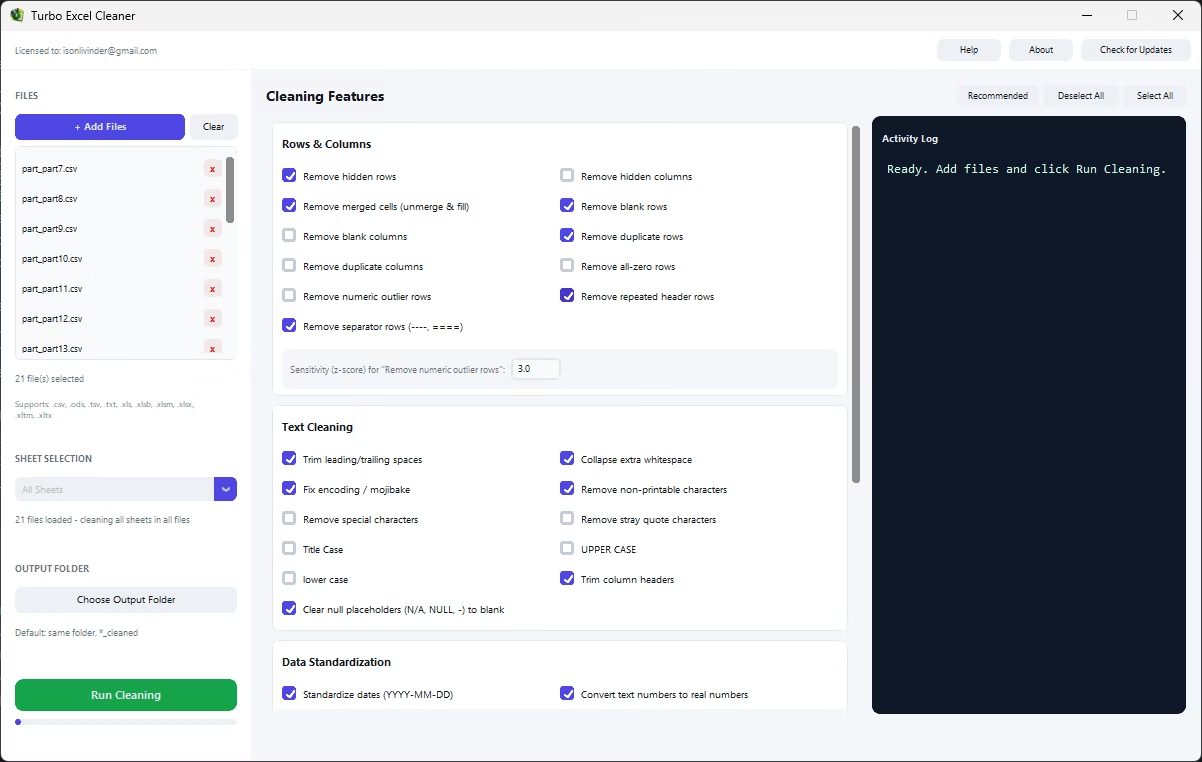
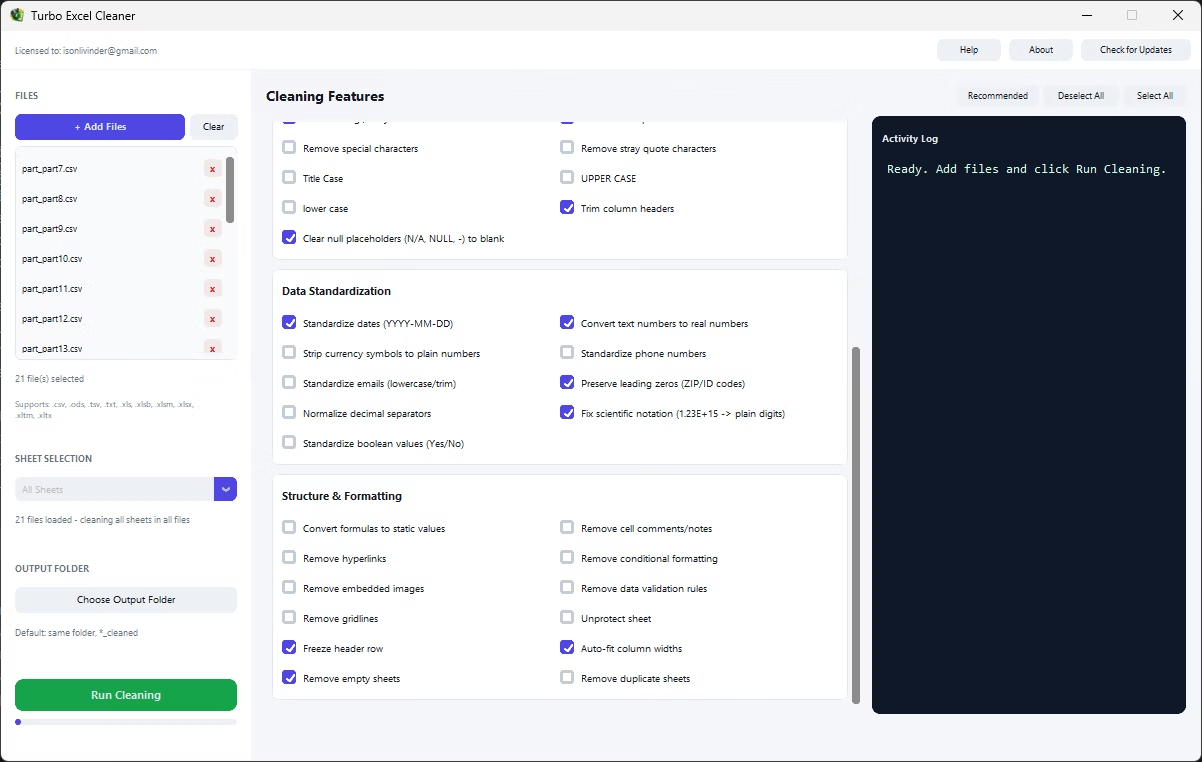
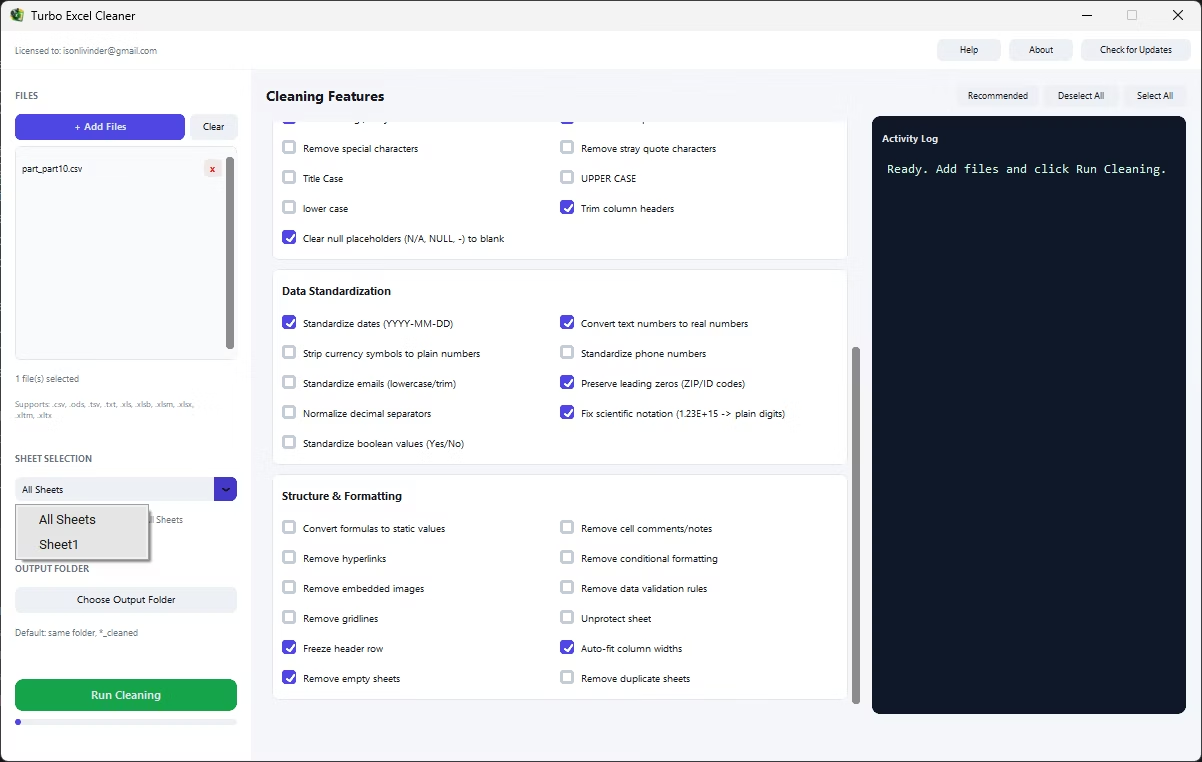
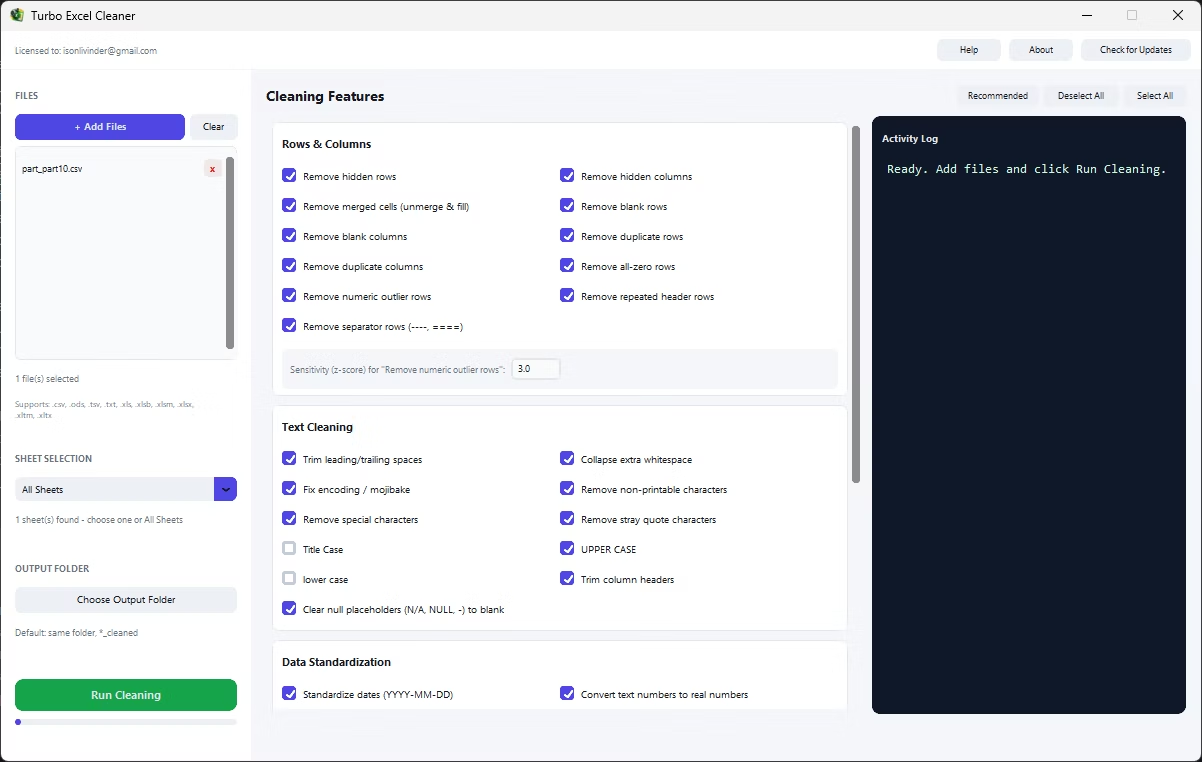
Turbo Excel Cleaner's Title Case feature applies PROPER-style capitalization directly to every text cell in every sheet you load, without a helper column or manual paste step, and does so consistently across an unlimited number of files in a single run. It intelligently targets text content, leaving numbers, dates, and formulas untouched.
This is commonly combined with whitespace trimming, since inconsistent capitalization and stray spaces tend to appear together in data typed by multiple people over time or merged from several sources.
- One-click Title Case conversion for text cells across a sheet
- Automatically skips numbers, dates, and formulas
- Processes every sheet in every file in the batch
- Combine with whitespace trimming for fully standardized text
- Works on Excel, OpenDocument, CSV, TSV, and TXT files
Does Title Case handle names like McDonald correctly?
Standard Title Case logic, including Excel's PROPER function, capitalizes only the letter after a space, so names with an internal capital like McDonald are converted to Mcdonald; these edge cases sometimes need a manual review pass.
Will Title Case affect email addresses or codes?
Title Case conversion targets readable text; applying it to identifiers like email addresses or product codes is usually not desirable, so it is best reserved for name and label columns.
Can I combine Title Case with duplicate removal?
Yes, and doing so in that order can actually help, since standardizing capitalization first makes near-duplicate text values easier to match exactly during deduplication.
Ready to clean your spreadsheets in bulk, offline, with full privacy?