Lowercase text is the expected format for many technical fields - email addresses, URLs, usernames, and file paths are conventionally stored in lowercase, and some systems treat uppercase and lowercase versions of the same value as genuinely different, causing matching problems if a spreadsheet mixes cases inconsistently. Data collected through web forms, imported from other databases, or typed by different people often ends up with a random mix of cases in exactly these kinds of fields.
Converting a column to lowercase in one pass creates the consistency these fields typically need, especially before importing the data into another system that expects lowercase values.
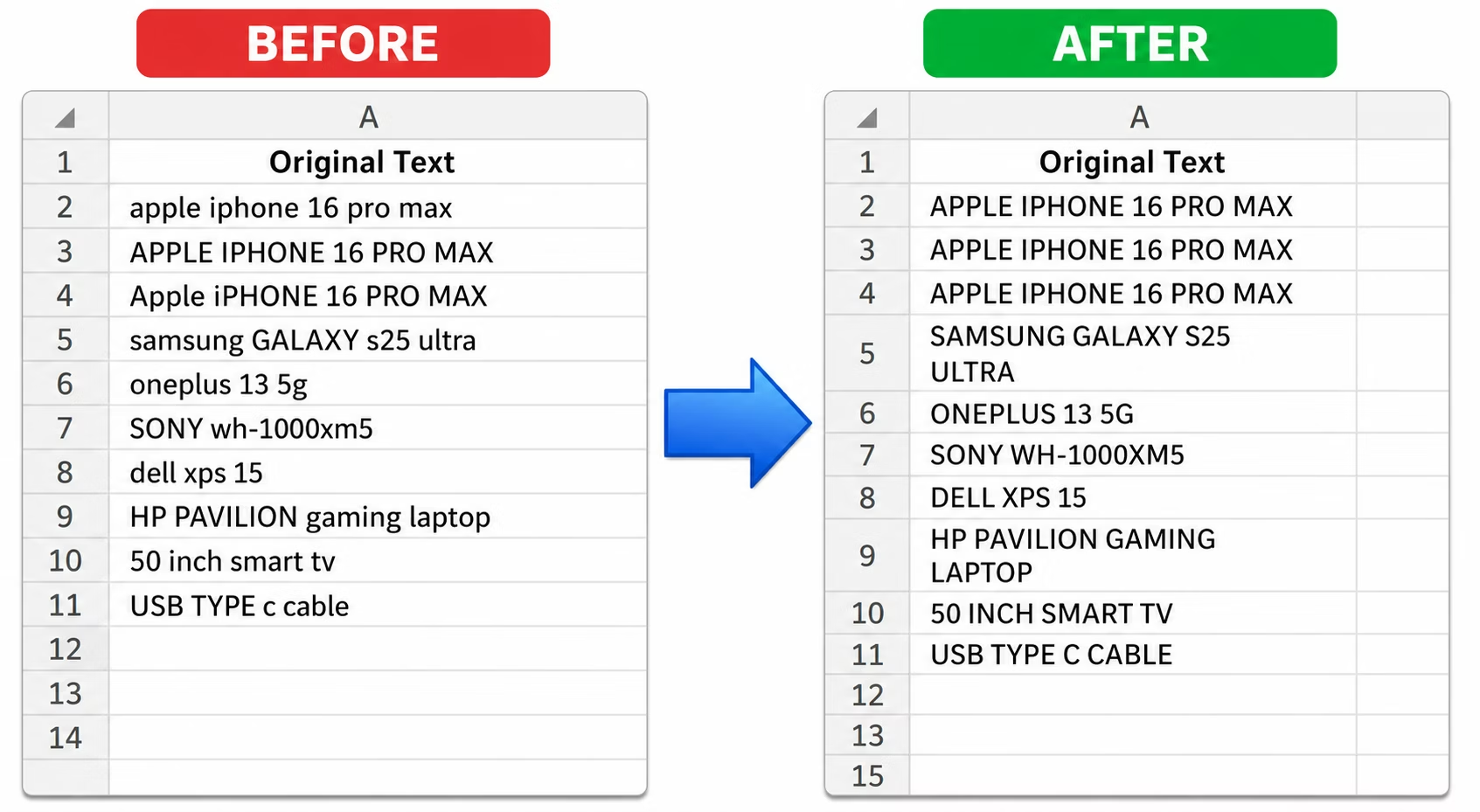

Excel's LOWER function converts every letter in a text string to its lowercase form while leaving numbers and punctuation untouched, making it the direct counterpart to UPPER and PROPER. As with those functions, LOWER cannot modify a cell in place - the standard approach is a helper column with the LOWER formula, followed by copying the results and pasting them back as values over the original text.
This process is reliable but manual, and needs to be repeated for every column, worksheet, and file that requires the same lowercase standardization.
A common mistake is lowercasing an entire sheet indiscriminately, including columns like product codes or reference IDs where the original casing is actually meaningful and should be preserved rather than flattened to lowercase. It is safer to apply LOWER selectively to the specific columns - typically email addresses, URLs, and usernames - where lowercase really is the expected standard, rather than converting every text column in a workbook without exception.
- Insert a helper column next to the text you want to convert.
- Enter =LOWER(A1) in the first cell of the helper column.
- Fill the formula down across your full data range.
- Copy the helper column and use Paste Special > Values over the original column.
- Delete the helper column once the text has been replaced with lowercase values.
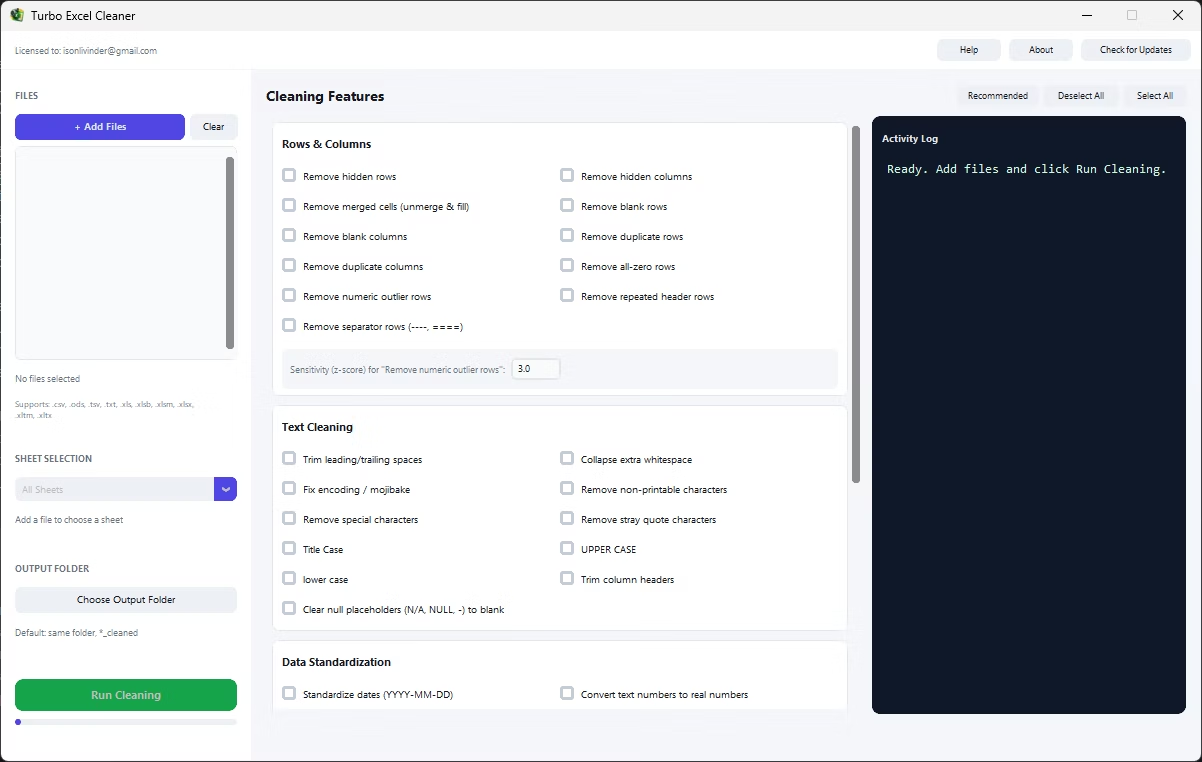
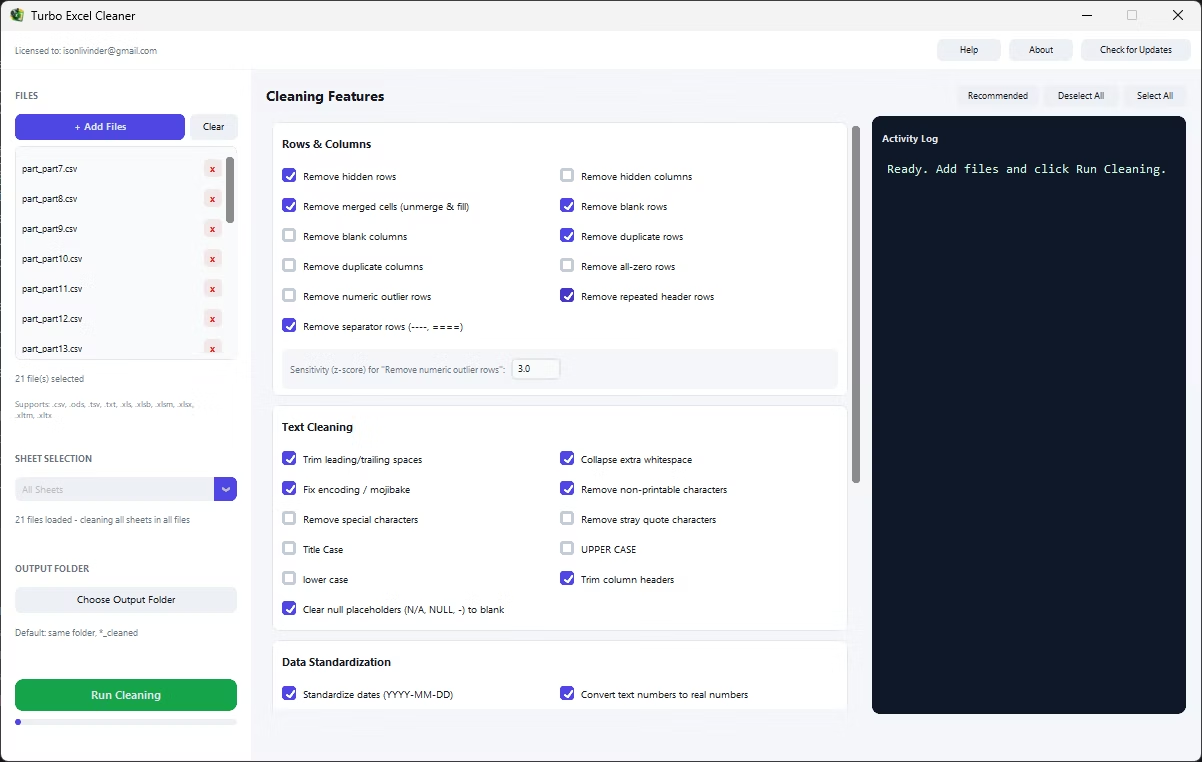
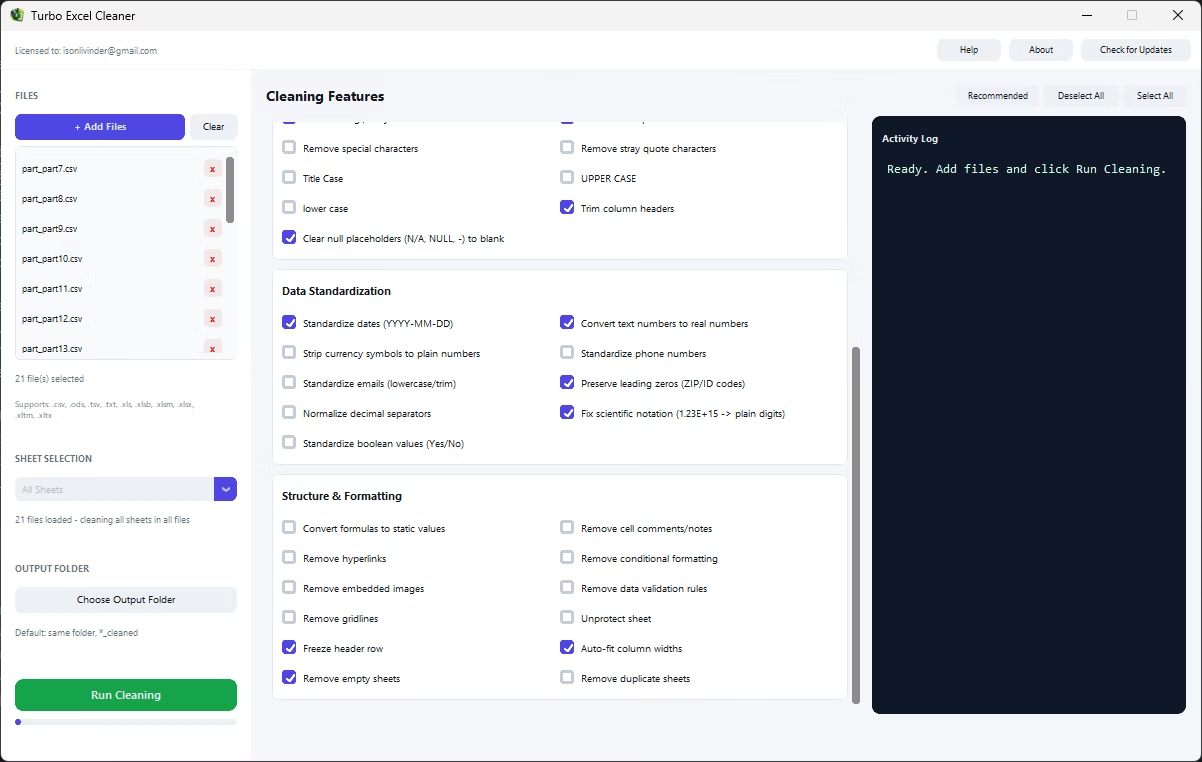
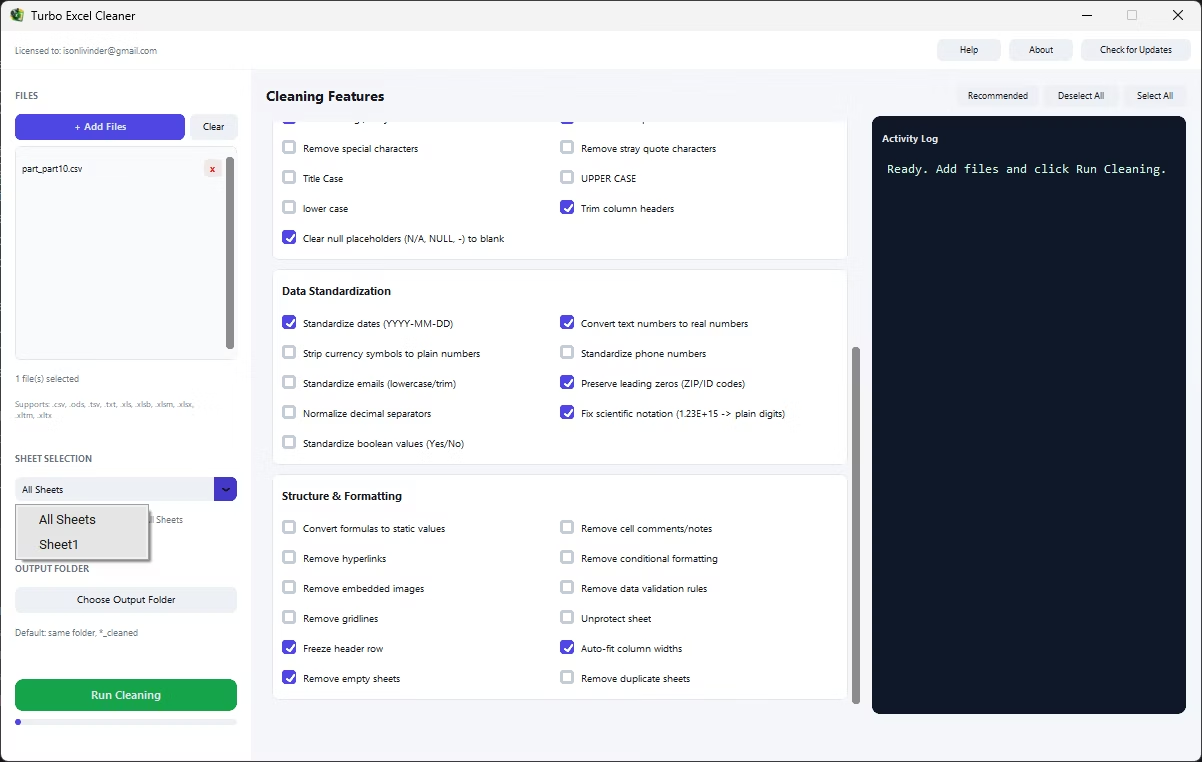
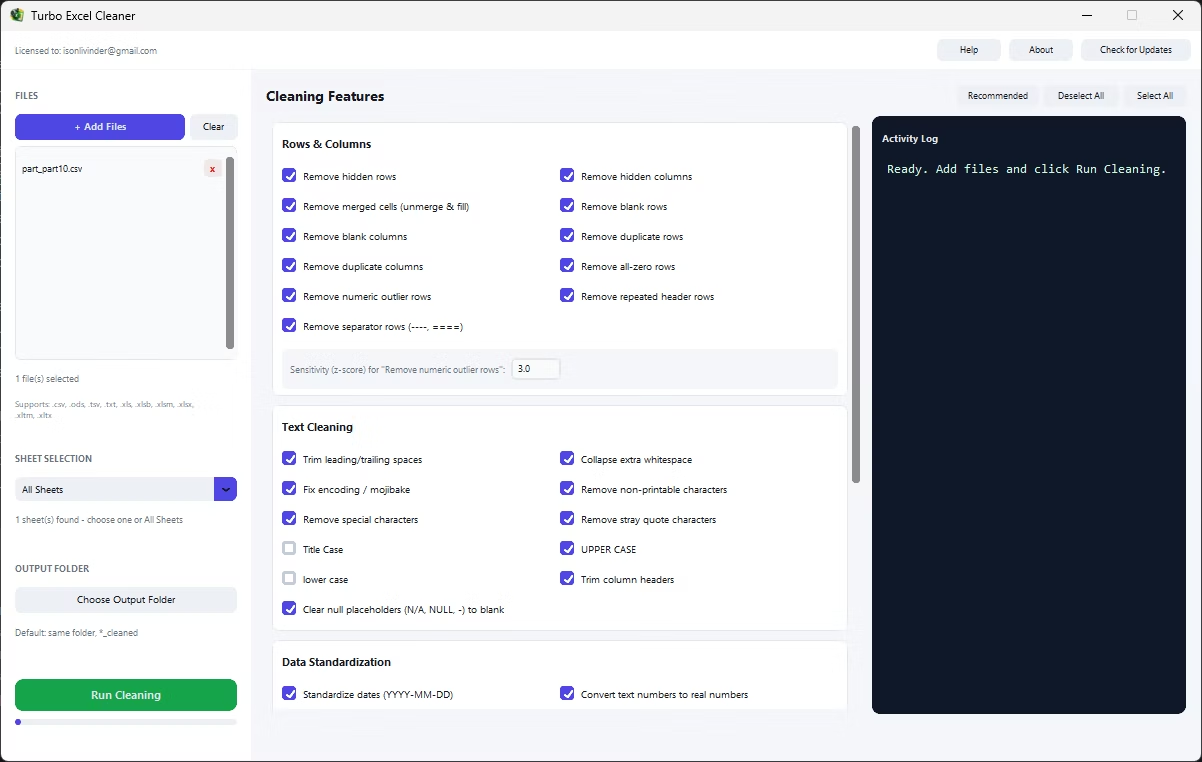
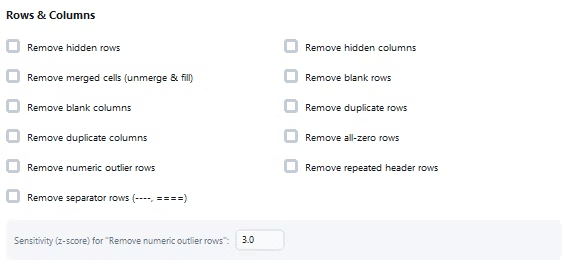
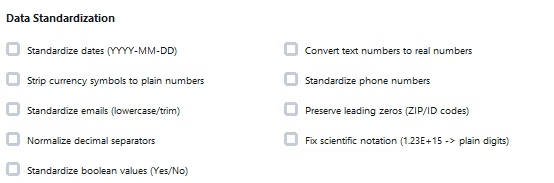
Turbo Excel Cleaner's Lowercase feature applies this same conversion directly to every text cell in every sheet you load, without a helper column, and it is especially useful for standardizing email address and URL columns before an import into a CRM or marketing platform that treats case as significant. As with the other case-conversion features, it targets text content only, leaving numbers, dates, and formulas unaffected.
Selecting Lowercase together with whitespace trimming ensures fields like email addresses are both correctly cased and free of stray spaces before they are used for a lookup or an import elsewhere.
- One-click lowercase conversion for text cells across a whole sheet
- Ideal for standardizing email addresses, URLs, and usernames
- Automatically skips numbers, dates, and formulas
- Combine with whitespace trimming for import-ready data
- Works on Excel, OpenDocument, CSV, TSV, and TXT files
Is lowercase important for email address columns specifically?
Yes, many systems treat email addresses as case-sensitive for matching purposes, so standardizing a list to lowercase before importing it elsewhere helps avoid duplicate or missed matches.
Does lowercase conversion change how the data displays elsewhere?
The conversion changes the underlying text value itself, so any report, formula, or export drawing from that cell will reflect the new lowercase text.
Can I combine lowercase conversion with duplicate removal?
Yes, running lowercase conversion before deduplication is a common pattern, since it helps two entries that differ only in letter case be correctly recognized as the same value.
Ready to clean your spreadsheets in bulk, offline, with full privacy?