Formulas make a spreadsheet dynamic - change one input and everything downstream recalculates automatically - but that same behavior becomes a liability once a report needs to be finalized, archived, or shared with someone who should not be able to see the underlying calculation logic. A formula that references data on another sheet or workbook can also break entirely if that source file is renamed, moved, or deleted, turning a previously correct cell into a #REF! error.
Converting formulas to their static calculated values removes that dependency, locking in the current result so the file behaves predictably even after the original data or linked workbook is no longer available.


The standard way to convert a formula to a static value in Excel is Paste Special with the Values option, which copies only the calculated result of a cell rather than the formula that produced it. This has to be done carefully - copying a range and pasting Values directly back over itself works, but pasting into a different location leaves the original formulas untouched unless you go back and clear them, and it is easy to accidentally overwrite the wrong range if the copy and paste selections do not line up.
For a workbook with formulas scattered across many sheets, doing this consistently by hand takes real care to avoid missing a range or converting the wrong one.
A common mistake is pasting Values into a different location than the original formulas, which leaves the live formulas untouched in their original cells while creating a separate static copy elsewhere - not the same as actually converting the original range. It is also easy to forget that once a formula has been overwritten with its value and the file saved, the original calculation logic cannot be recovered, which makes keeping a backup copy an important precaution beforehand.
- Select the range of cells containing the formulas you want to convert.
- Copy the selection with Ctrl+C.
- Right-click the same selection and choose Paste Special.
- Select Values and click OK - this overwrites the formulas with their calculated results.
- Spot-check a few cells in the Formula Bar to confirm they now show a value instead of a formula.
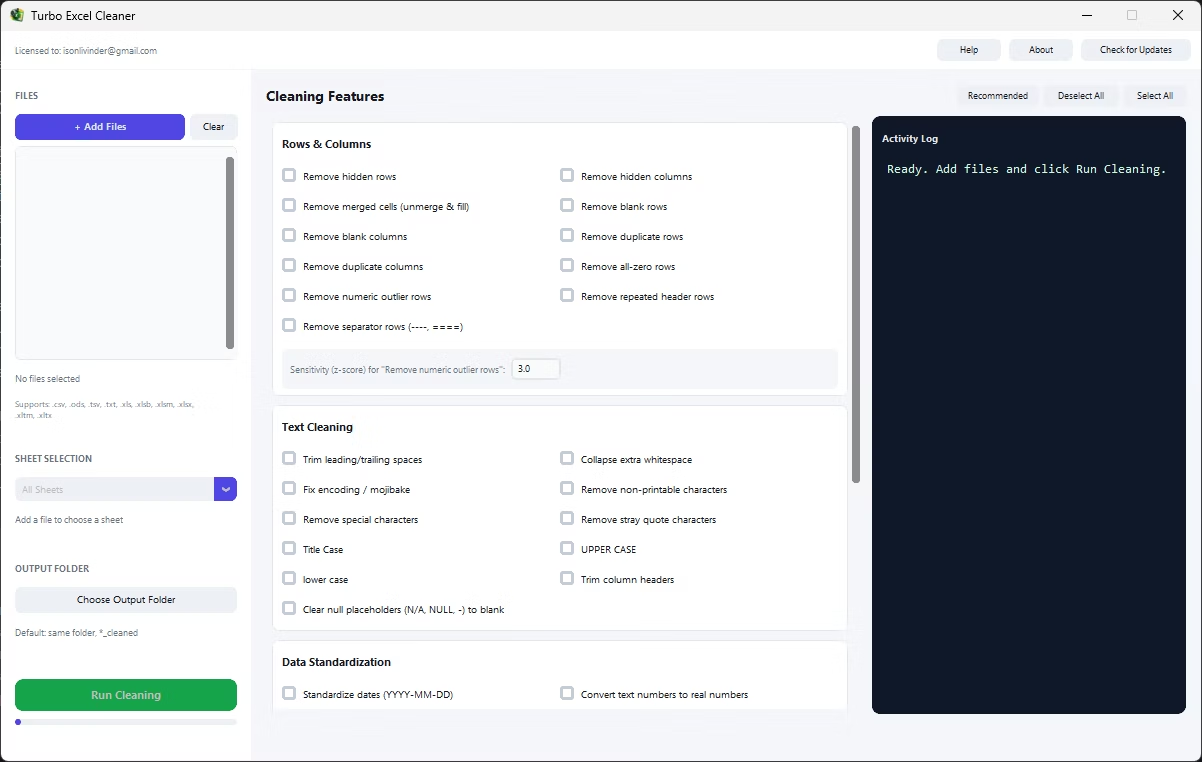
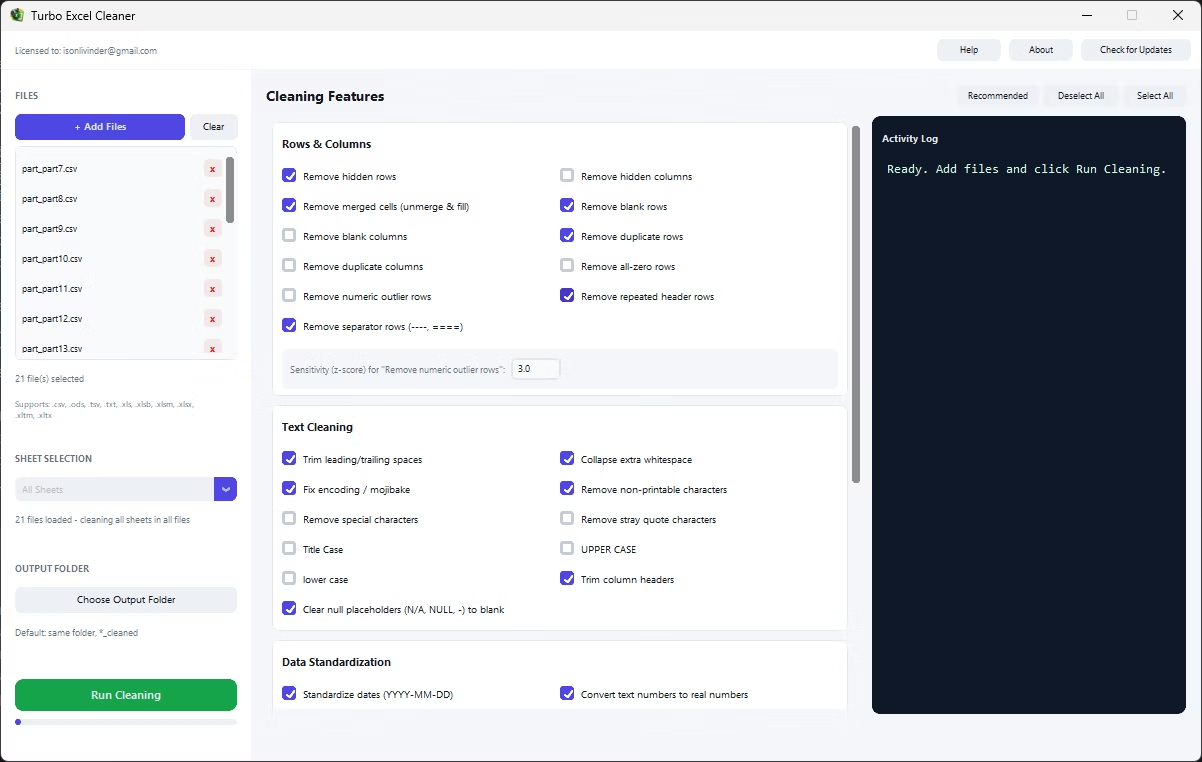
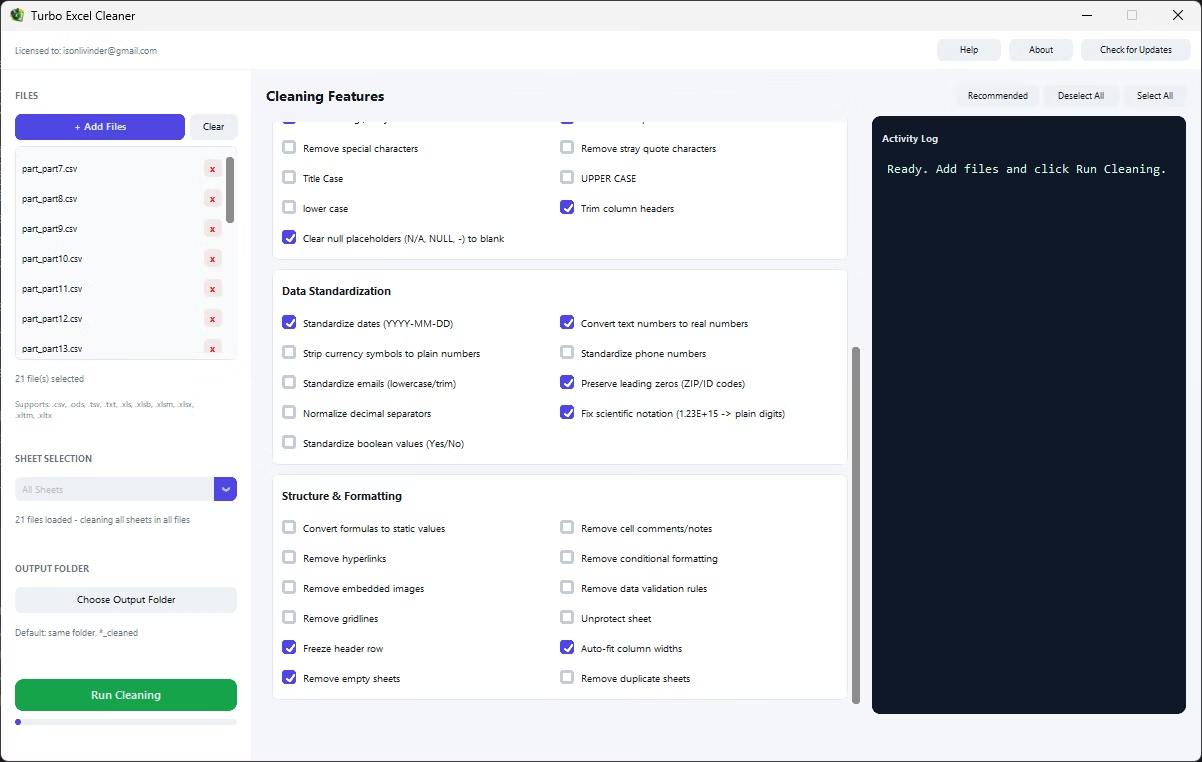
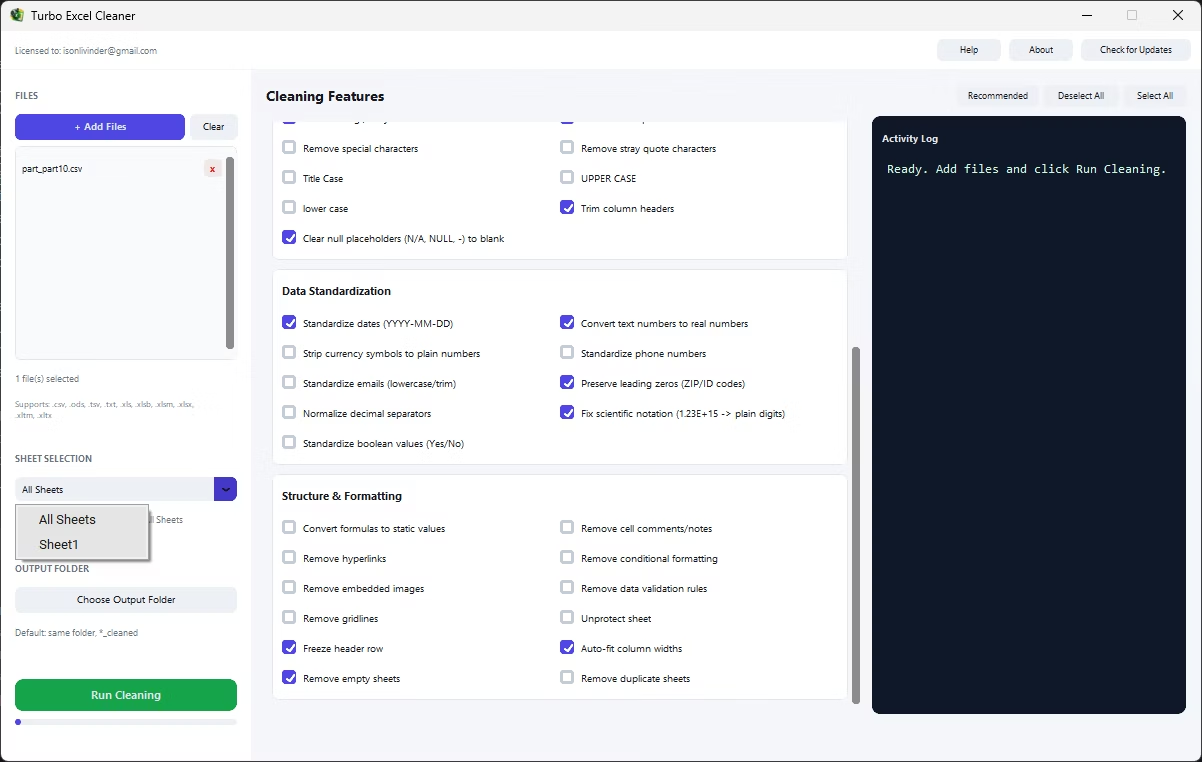
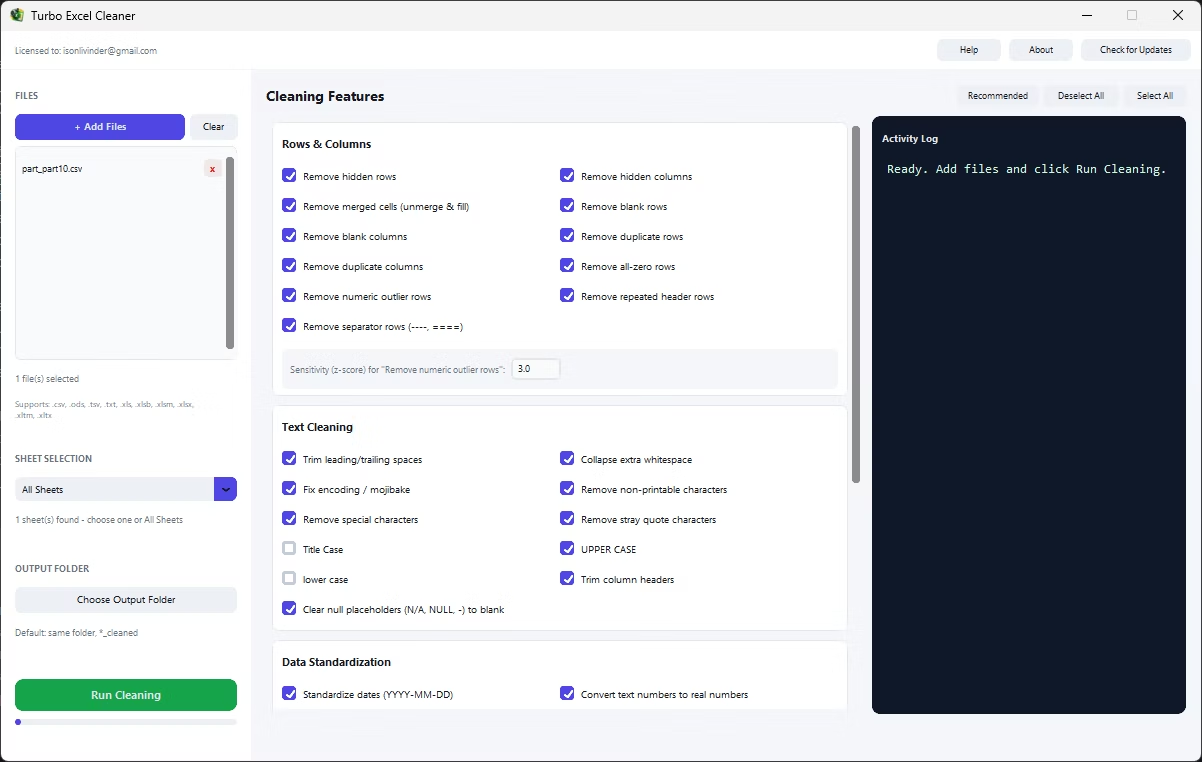
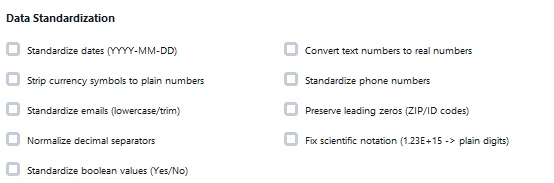
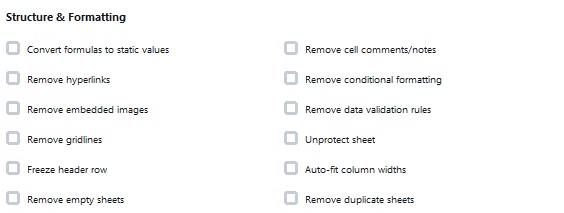
Copy-and-Paste-Special-Values works well for a targeted range in a single file, but a workbook with formulas spread across dozens of sheets, or a folder of files that all need to be flattened before archiving, makes the manual process slow and easy to get wrong. Turbo Excel Cleaner's Convert Formulas to Static Values feature replaces every formula in every sheet you load with its calculated result automatically, in one pass.
This is commonly used together with Remove Conditional Formatting as a final "flatten the file" step, producing a plain, stable dataset with no live calculation logic or dynamic formatting left behind - ideal for long-term archiving or sharing with someone who should only see the results, not the formulas.
- Replaces every formula with its calculated static result
- No manual Paste Special copy-and-paste required
- Applies across every sheet in every file in the batch
- Prevents #REF! errors from broken external links later
- Works on Excel and OpenDocument workbook formats
Will this change the numbers displayed in my cells?
No, the displayed result stays exactly the same at the moment of conversion; only the underlying formula is replaced with that same value, calculated once and then fixed in place.
Can I undo this and get my formulas back afterward?
Once formulas have been converted and the file saved, the original formula logic cannot be recovered from that file, which is why keeping a backup of the original before flattening a workbook is recommended.
Why would I want to remove formulas before archiving a file?
Formulas that reference other sheets or external workbooks can break if those sources are later moved or deleted; converting to static values protects an archived file from that kind of future breakage.
Ready to clean your spreadsheets in bulk, offline, with full privacy?