Conversion speed depends on more than just the software itself. The biggest factors are whether the tool runs offline or requires uploading files to a server, how many CPU cores it can use simultaneously, the format being converted (RAW files take longer than JPEG due to demosaicing), and your own computer's hardware. Two converters processing the same files can produce very different speeds depending on how well they take advantage of these factors.
Online converters are inherently limited by upload and download speed, since every file has to travel over the internet before processing even starts. Desktop software that runs locally skips that step entirely, which is usually the single biggest speed advantage available.
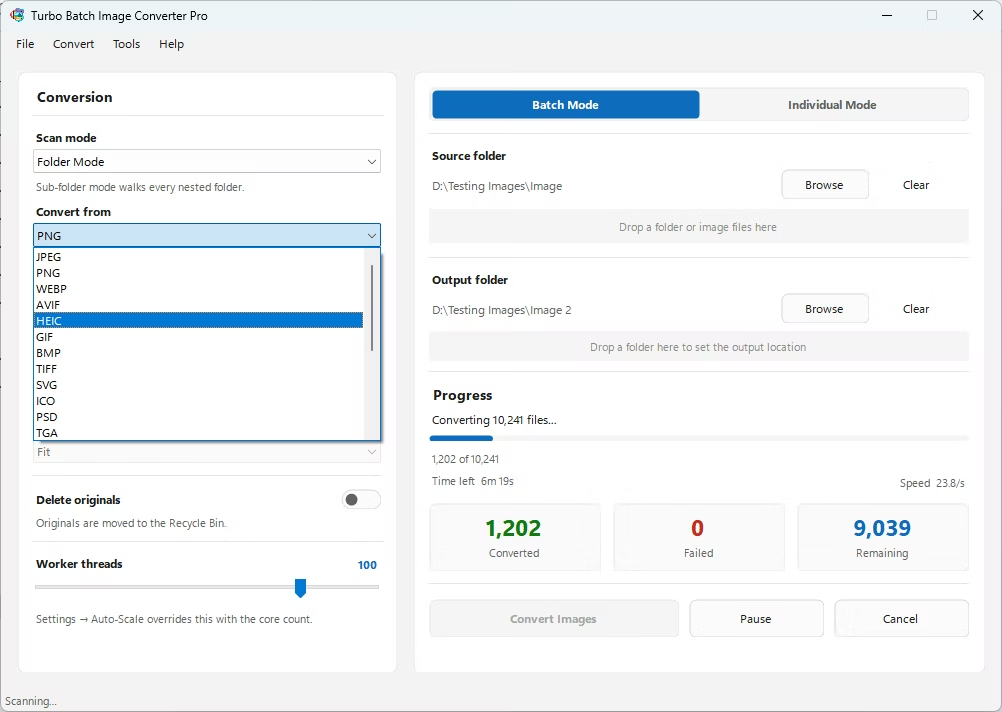
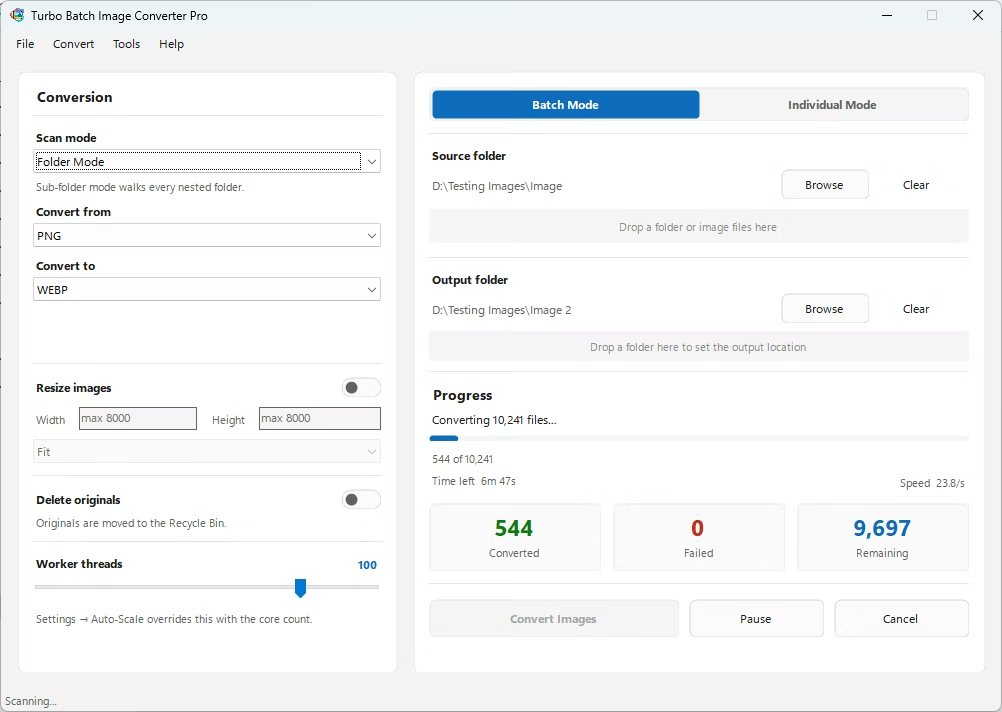
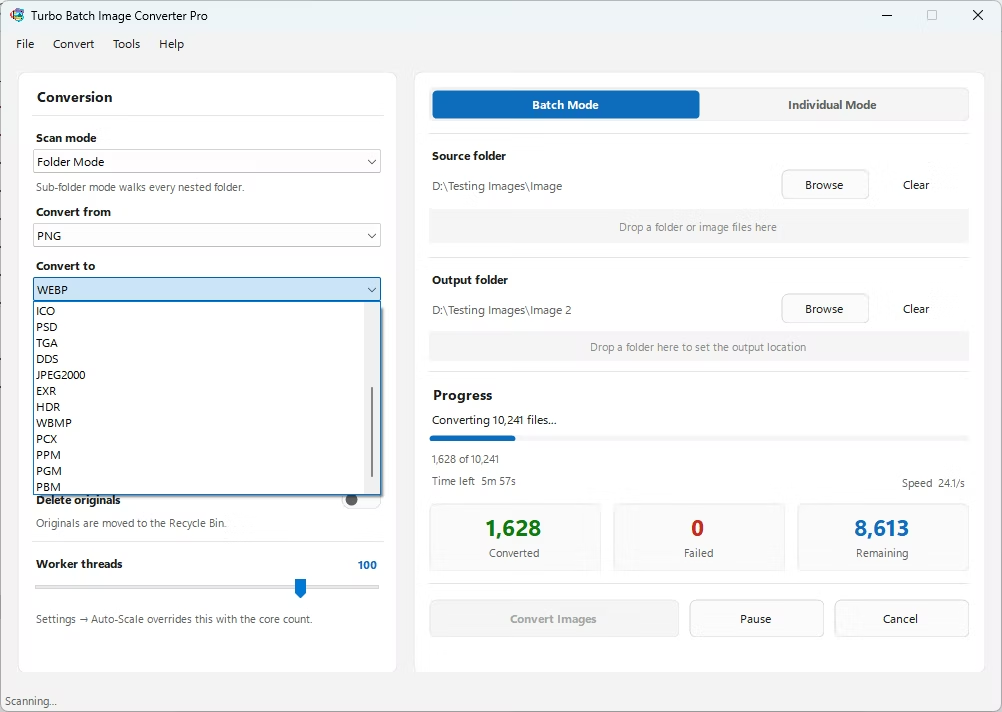
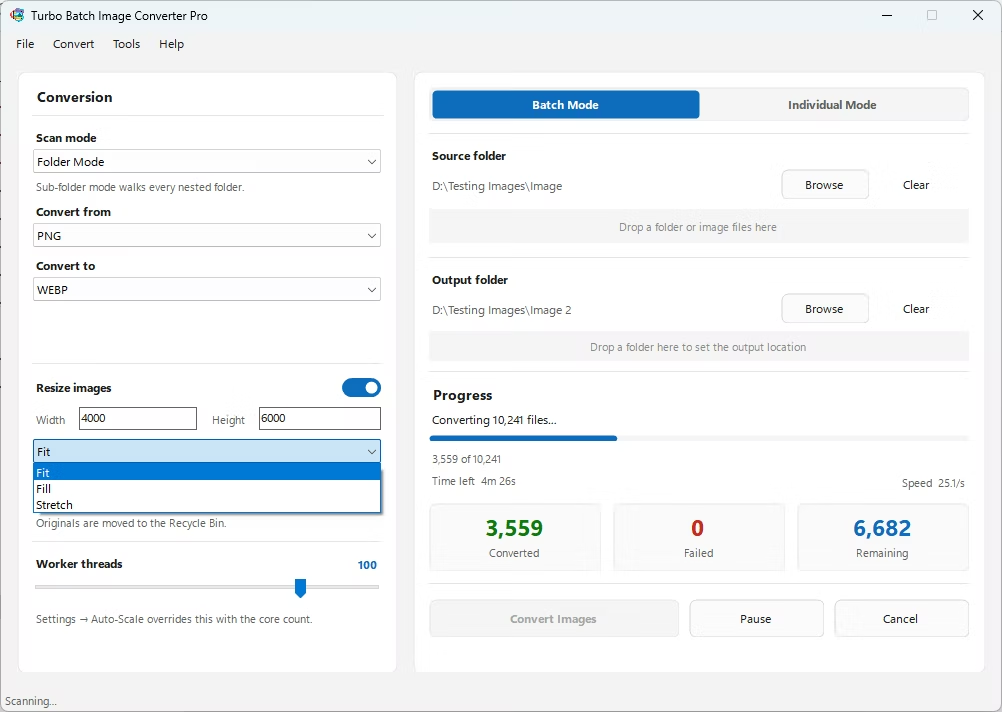
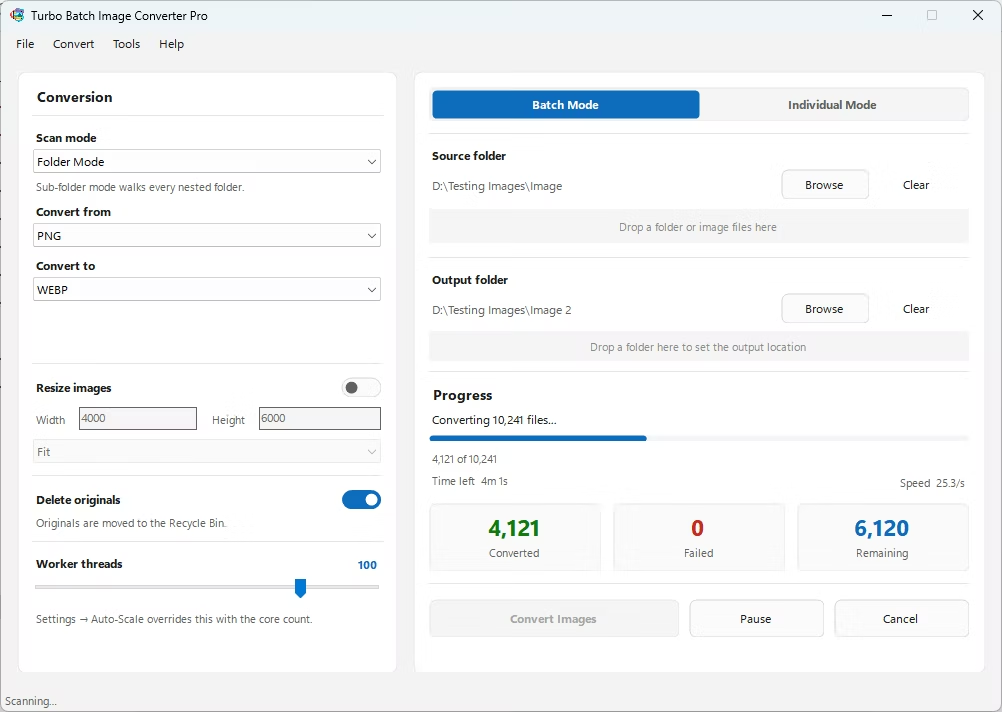
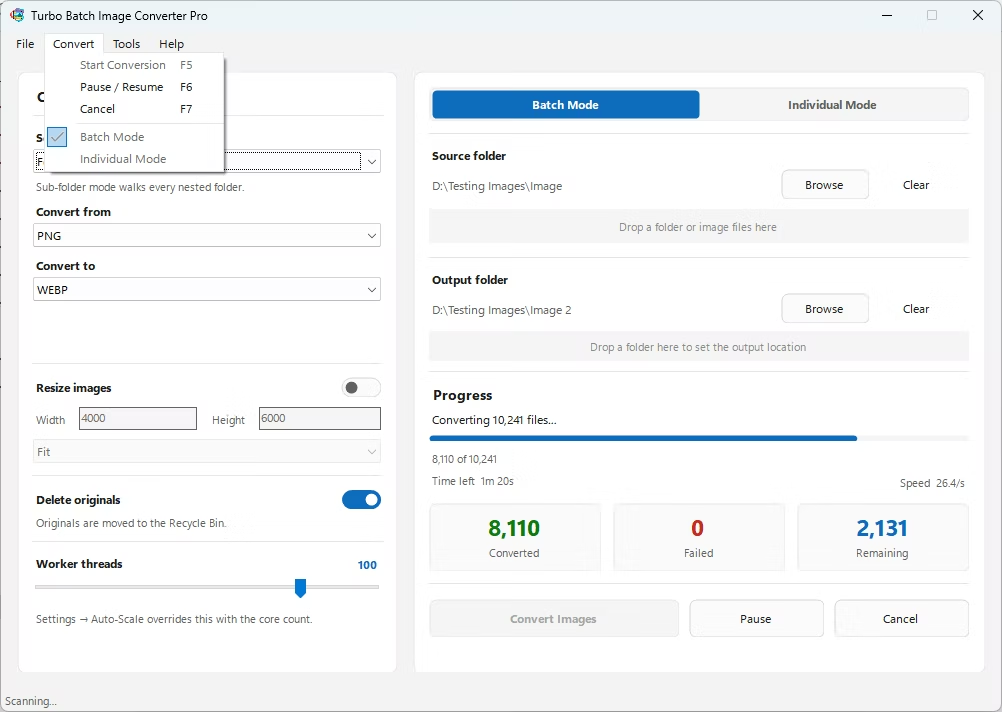
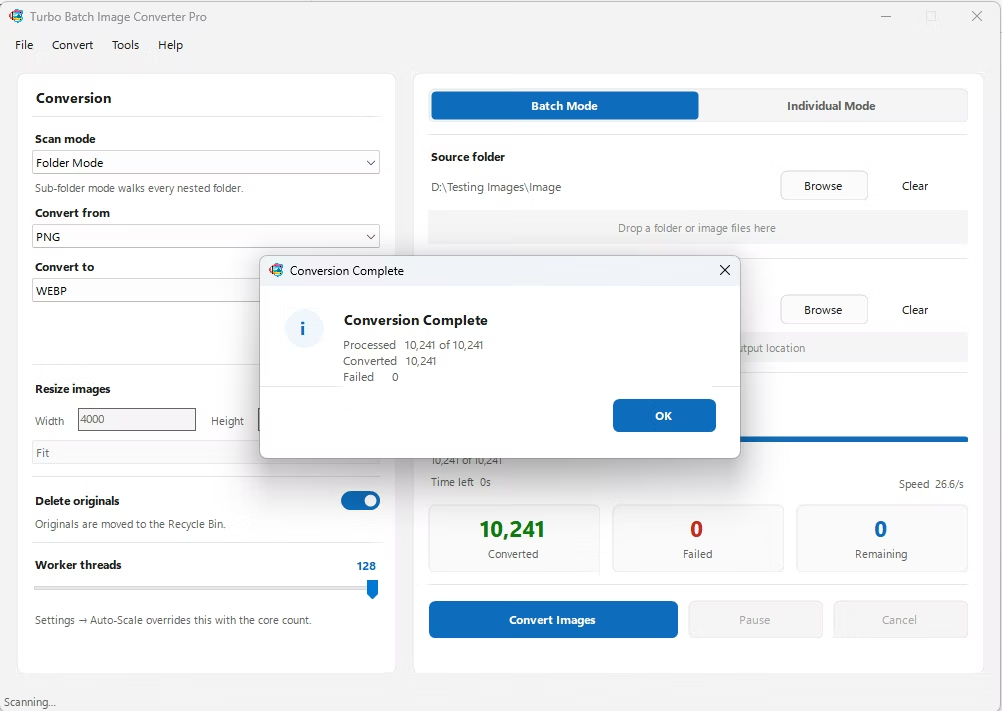
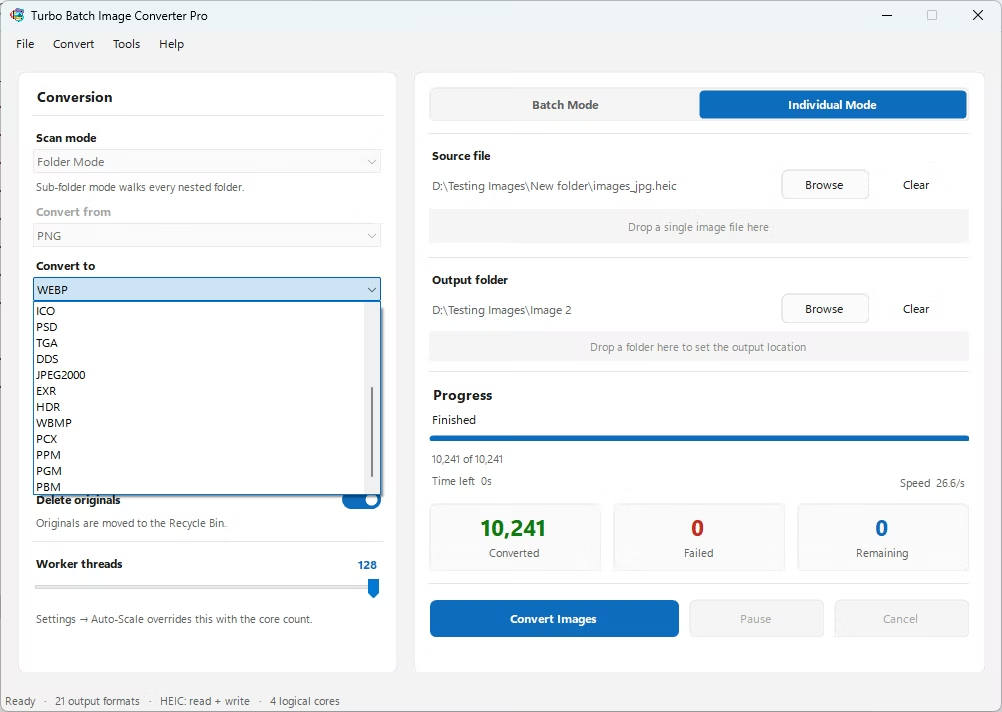
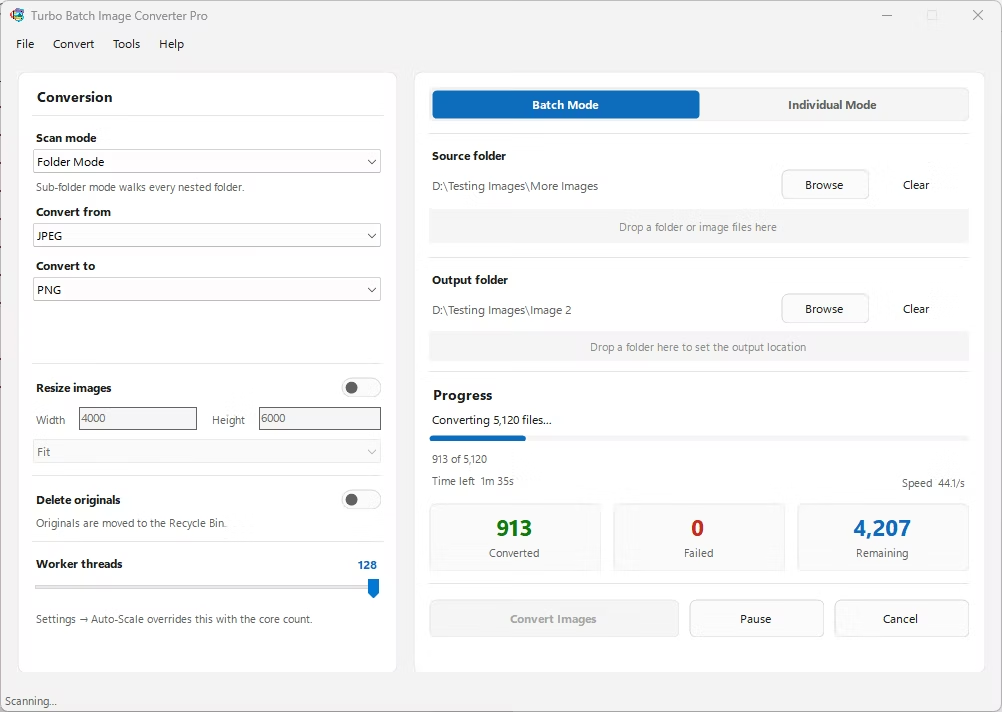
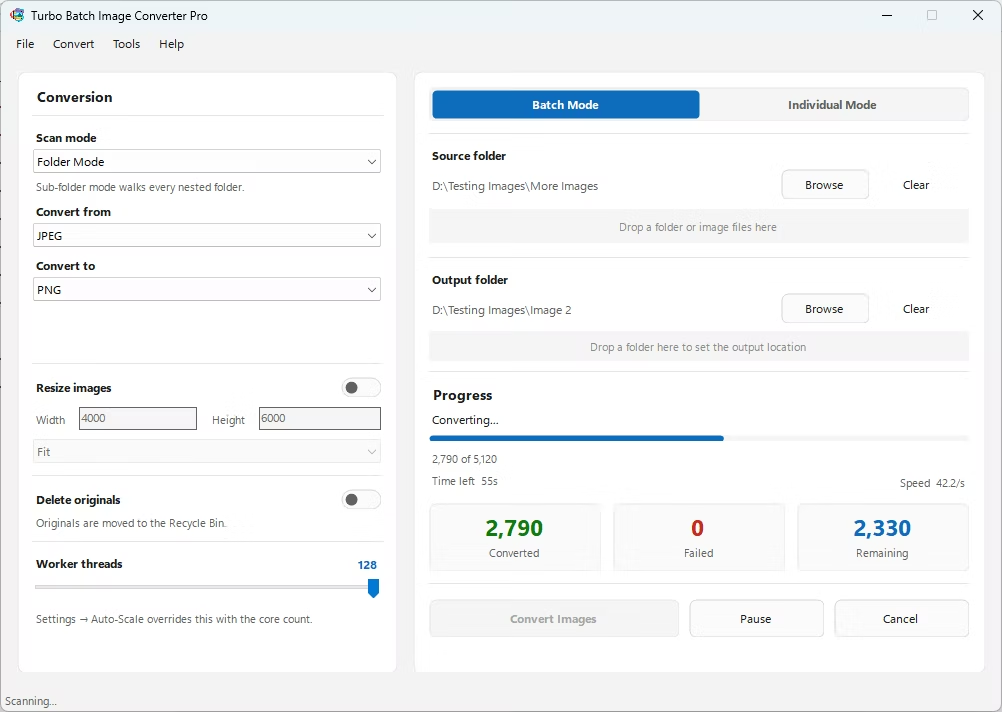
- No upload or download step — local processing skips the slowest part of online conversion
- Multi-core CPU utilization — splitting a batch across several cores instead of processing one file at a time
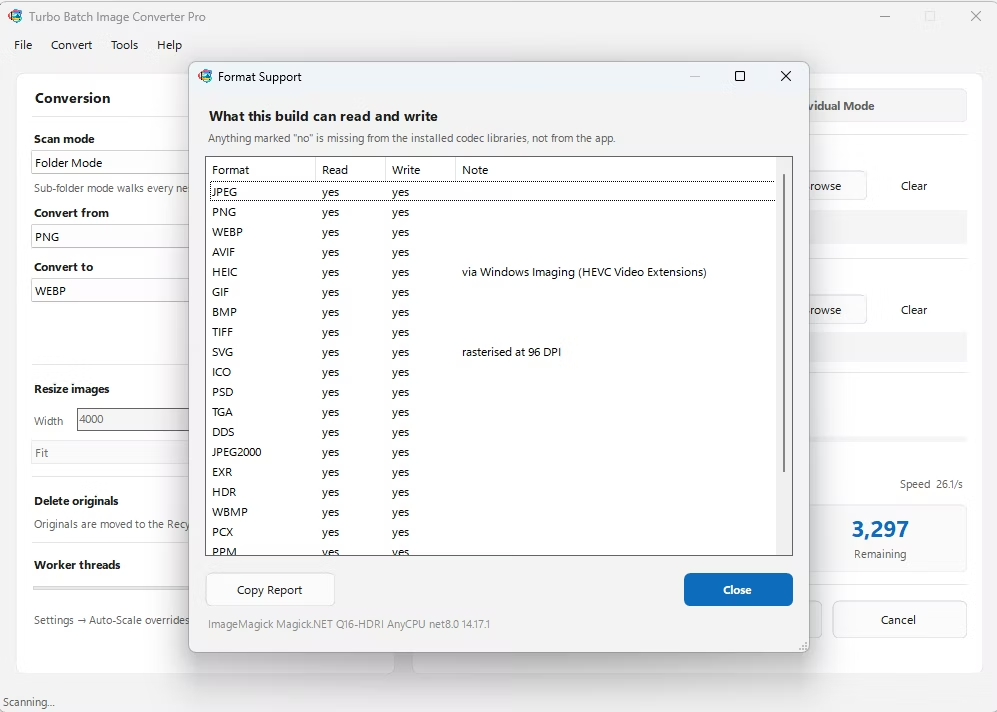
- Efficient format-specific decoding, especially for CPU-intensive formats like RAW
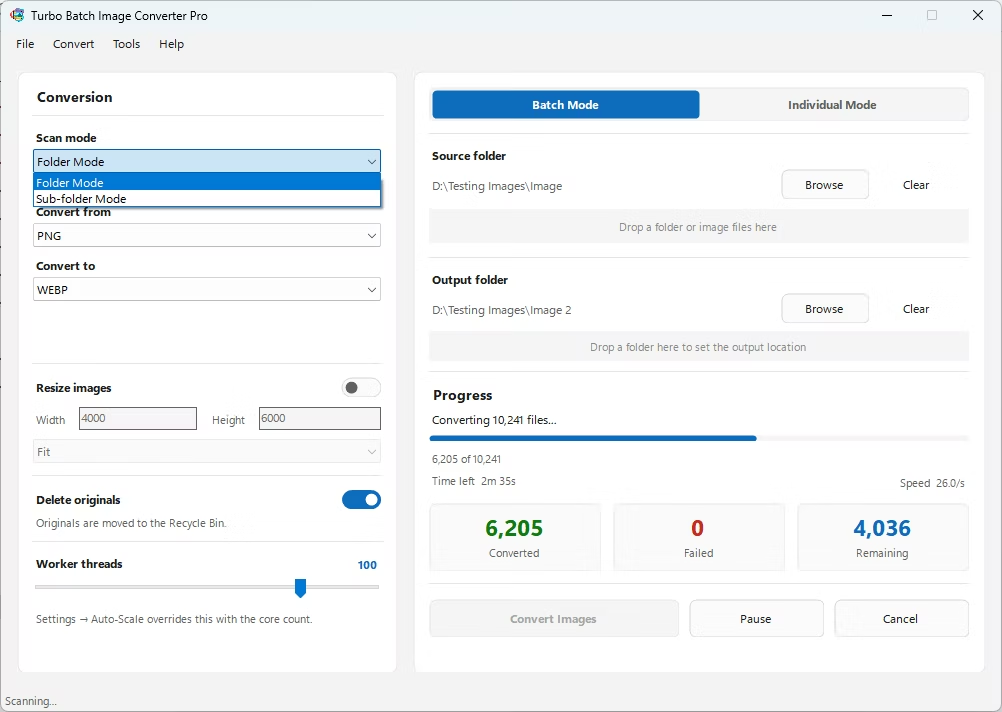
- Recursive folder scanning that avoids manual file-by-file selection
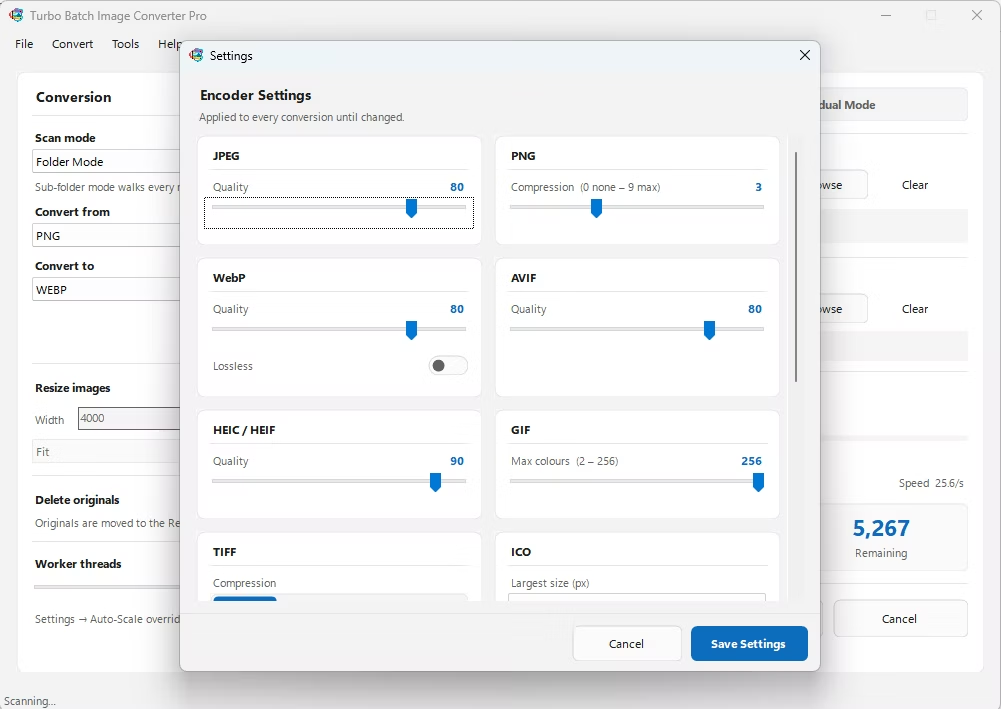
- Adjustable concurrency so you can match worker count to your hardware
Turbo Batch Image Converter Pro runs entirely offline, so there's no upload step at any point in the process. It scales conversion across up to 32 concurrent workers, letting it take full advantage of modern multi-core CPUs rather than processing files one at a time. Recursive sub-folder scanning means you can point it at an entire nested photo library and have it find and queue every file automatically, without manual selection slowing you down.
For RAW conversions specifically, the app automatically adjusts worker count for combinations that are especially CPU-intensive — such as RAW to HEIC — so the system stays responsive instead of overloading, while still processing batches as quickly as your hardware allows.
Why are online converters usually slower for large batches?
Every file has to be uploaded before processing starts and downloaded again afterward, which adds significant time on top of the actual conversion, especially for large batches or slower internet connections.
Does my computer's hardware affect conversion speed?
Yes. More CPU cores and faster storage both improve batch conversion speed, since the software can process more files in parallel and read/write data more quickly.
Is RAW conversion always slower than JPG or PNG?
Generally yes, because RAW files require a demosaicing step to reconstruct the image from sensor data, which is more computationally demanding than working with already-processed formats.
Ready to convert your images offline, in bulk, with full privacy?