A basic format converter that only swaps one extension for another is fine for occasional use, but most real-world workflows need more than that. Photographers need RAW support, designers need resizing control, archivists need recursive folder handling, and almost everyone benefits from being able to clean up originals automatically once a conversion finishes. The more of these features a single tool covers well, the fewer separate apps you need to juggle for routine image work.
Rather than judging software purely on whether it can convert formats, it's worth checking how many of the surrounding tasks — resizing, compression control, folder automation, format breadth — it actually handles in one place.
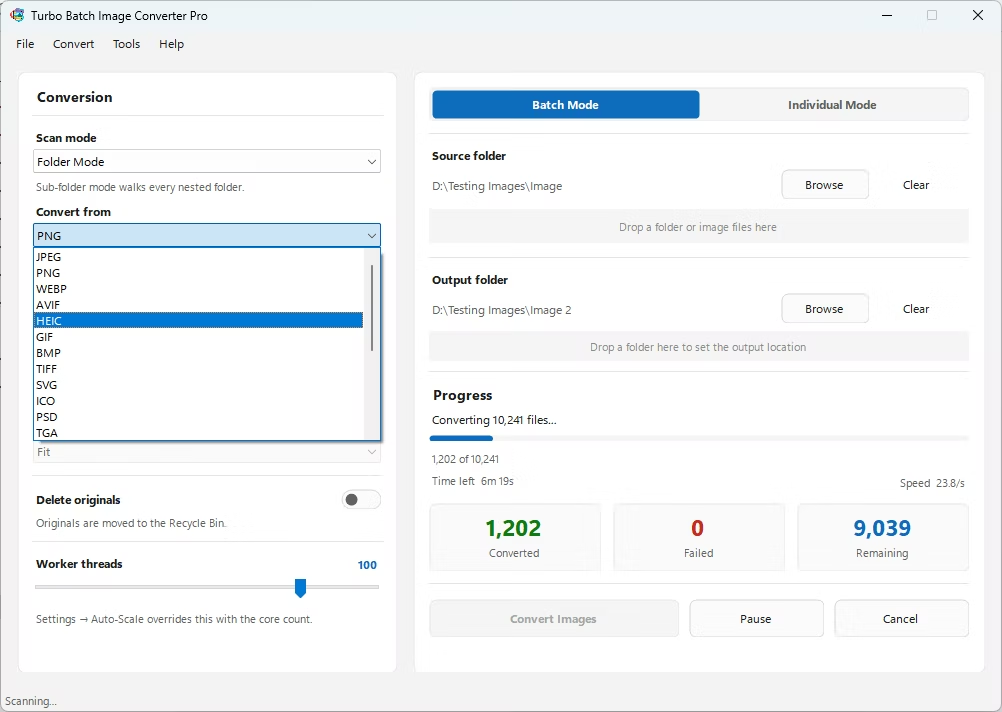
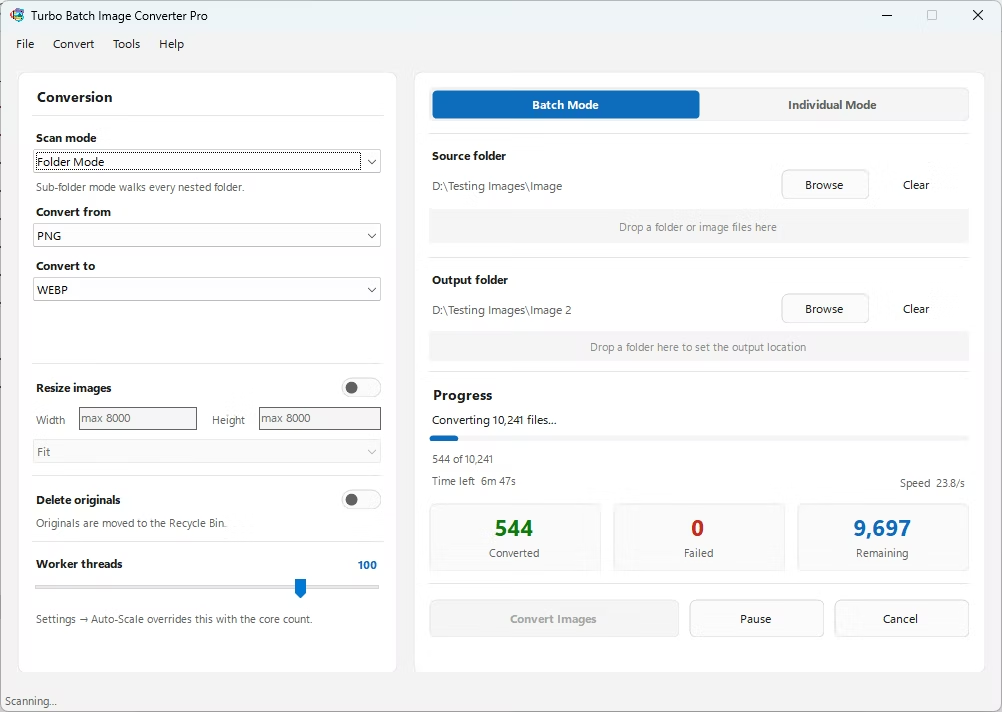
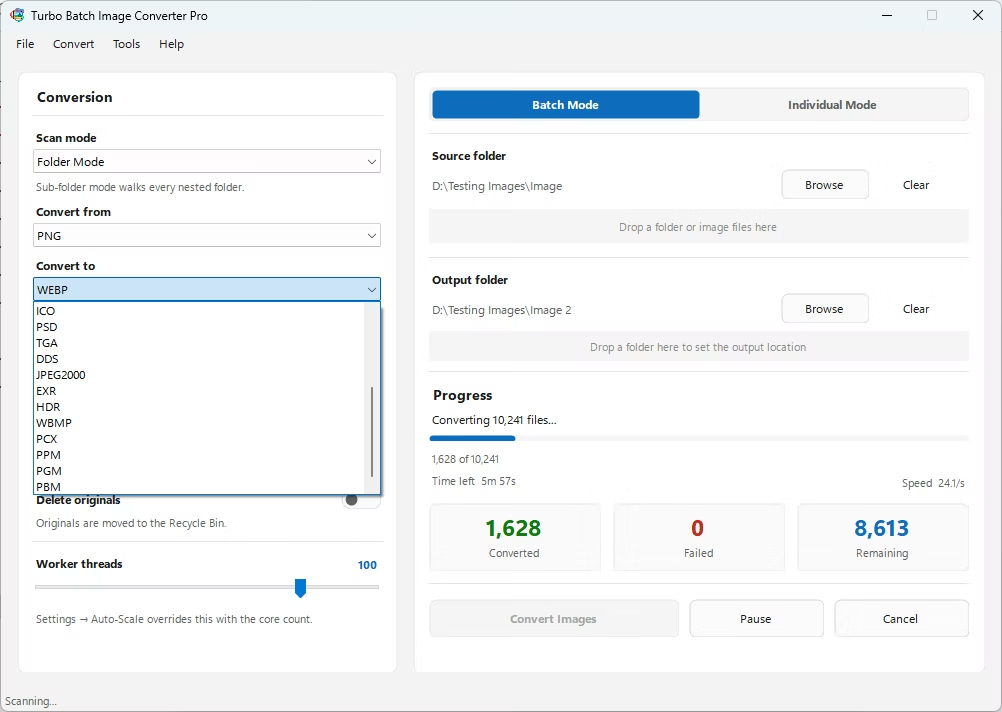
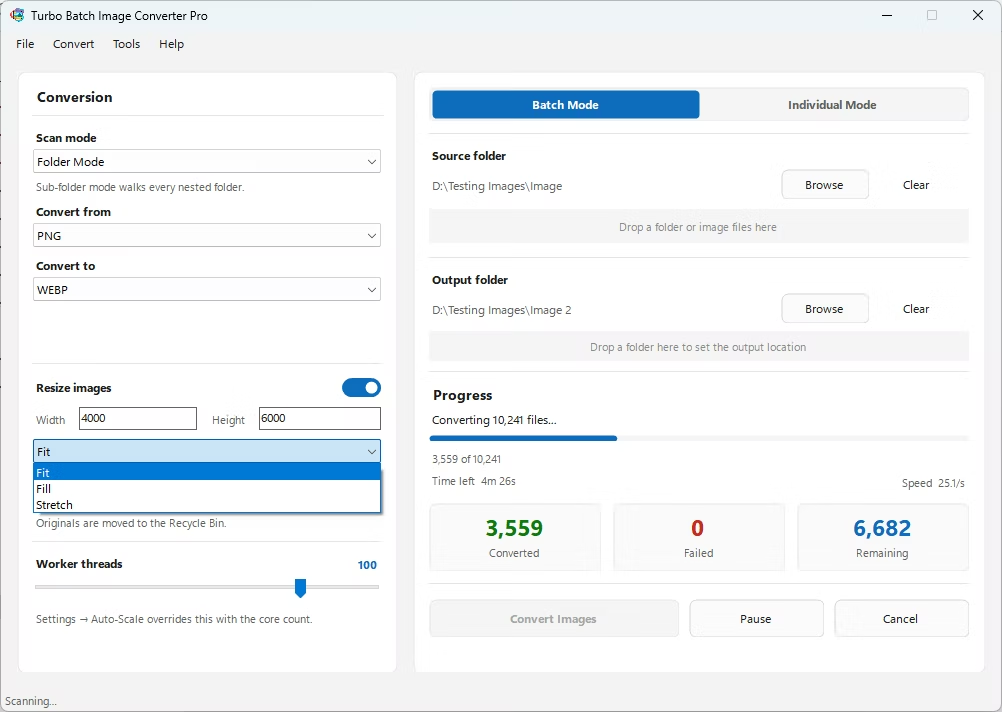
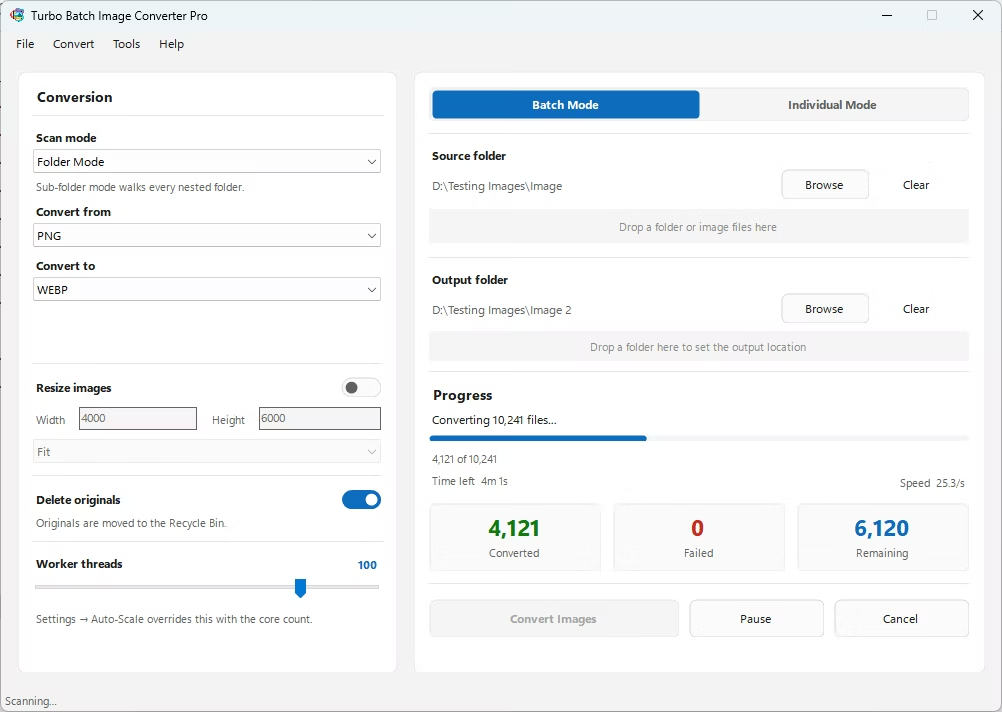
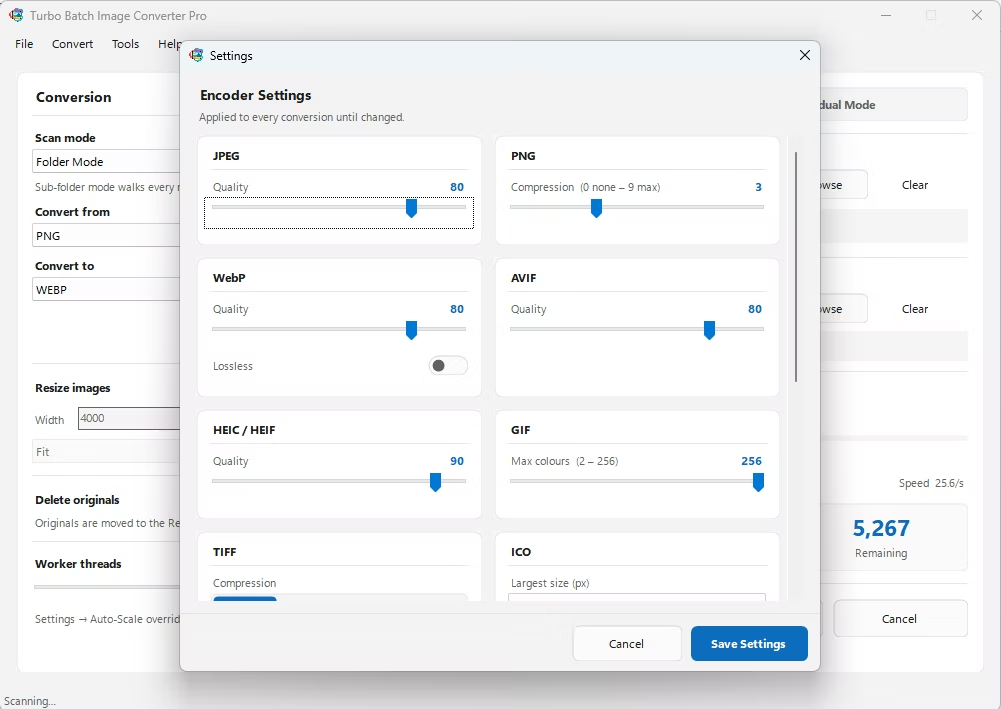
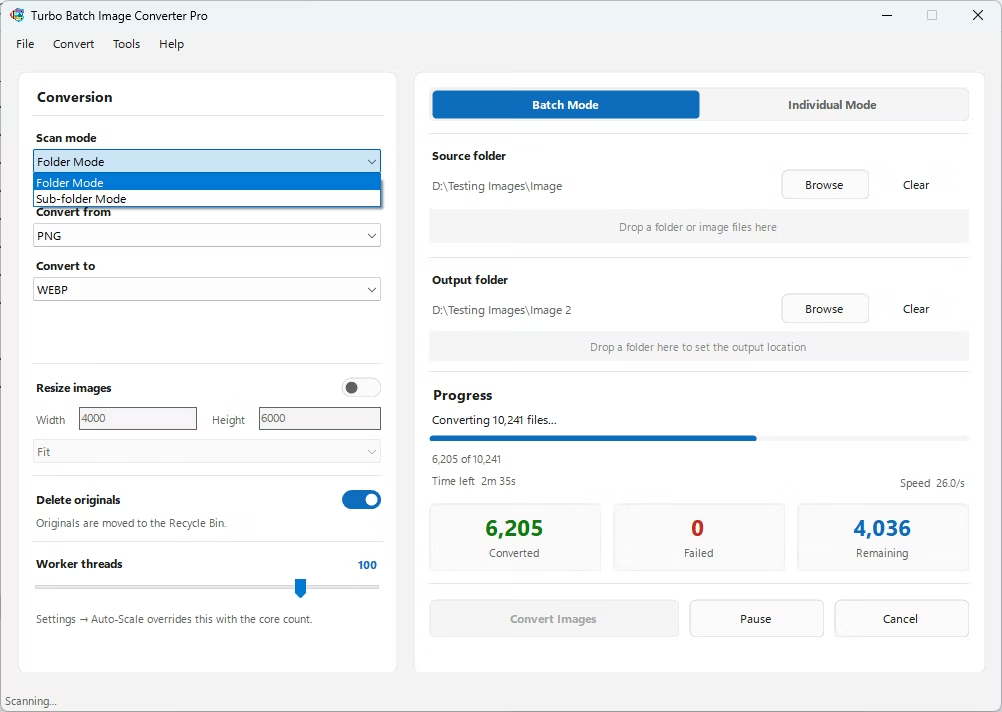
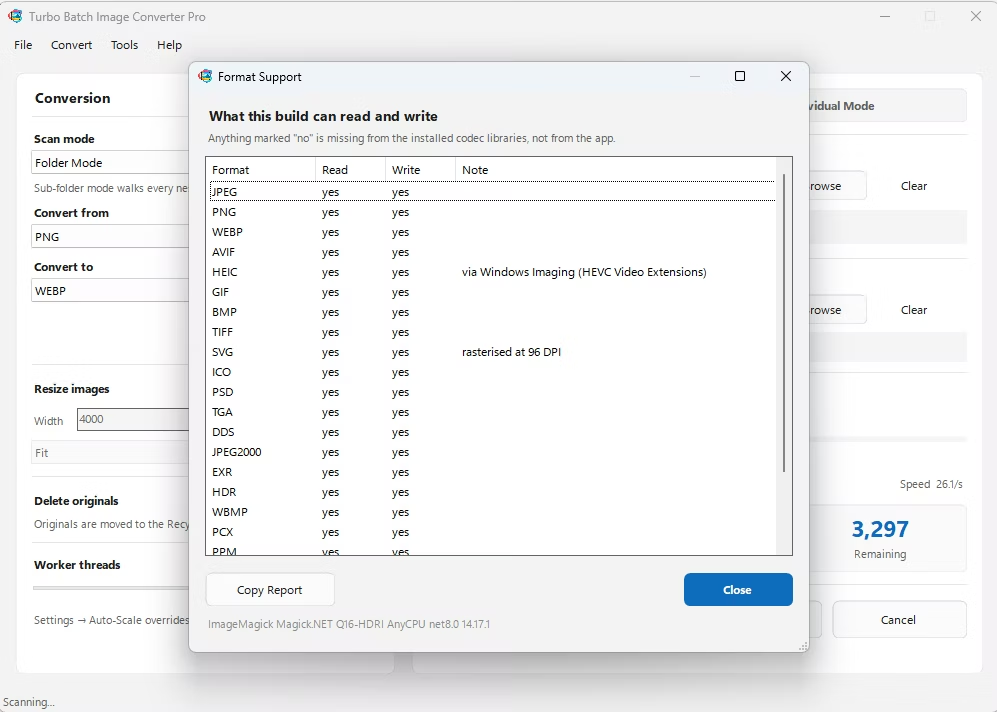
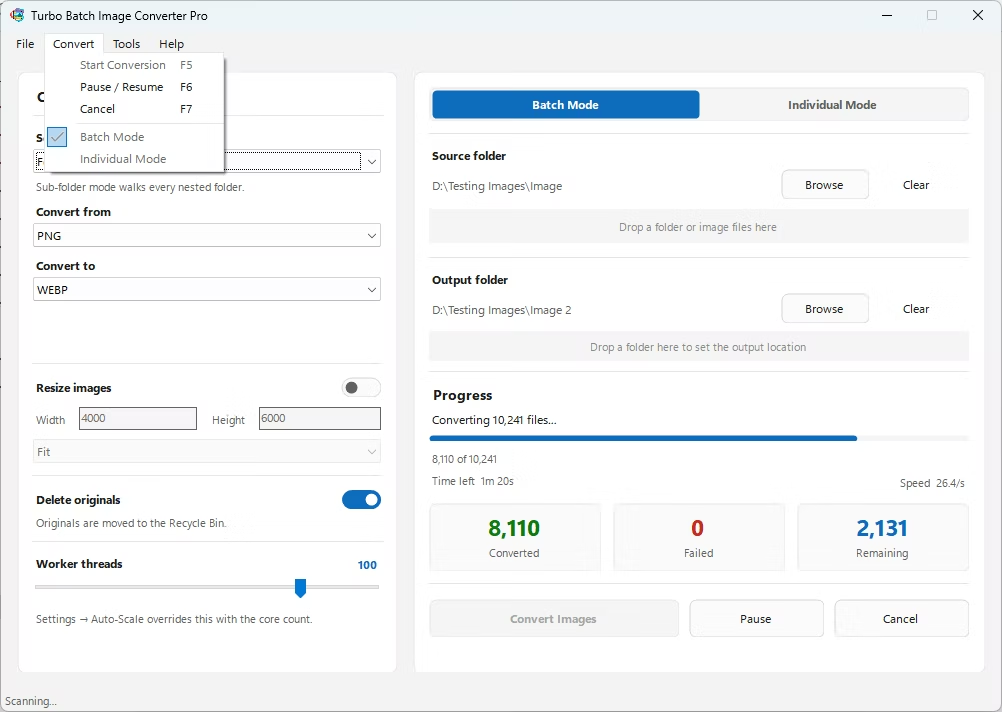
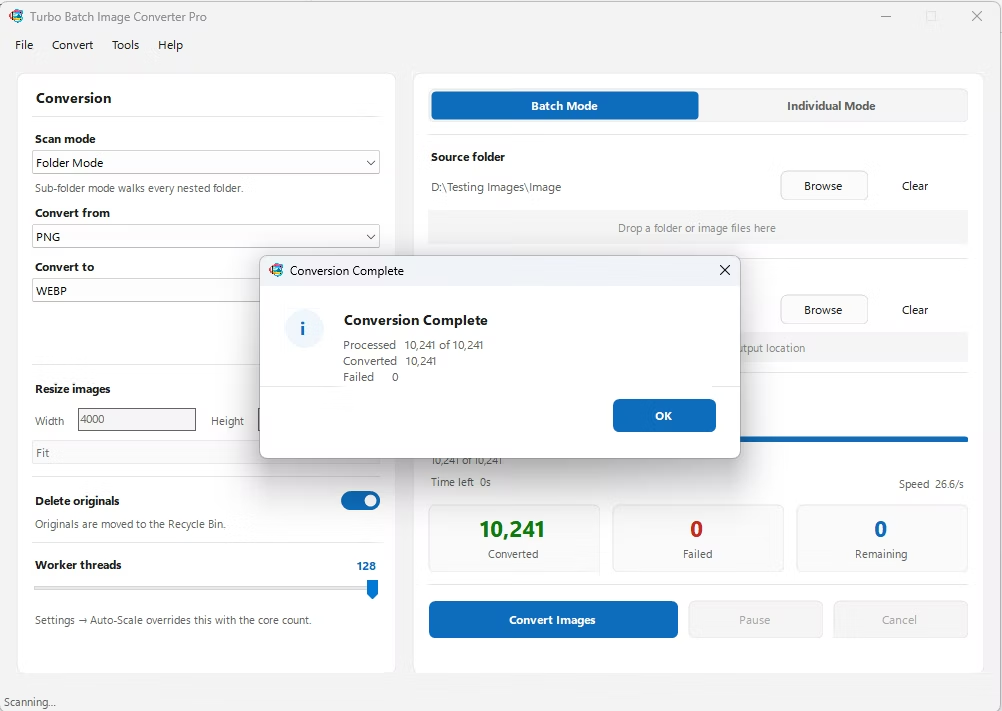
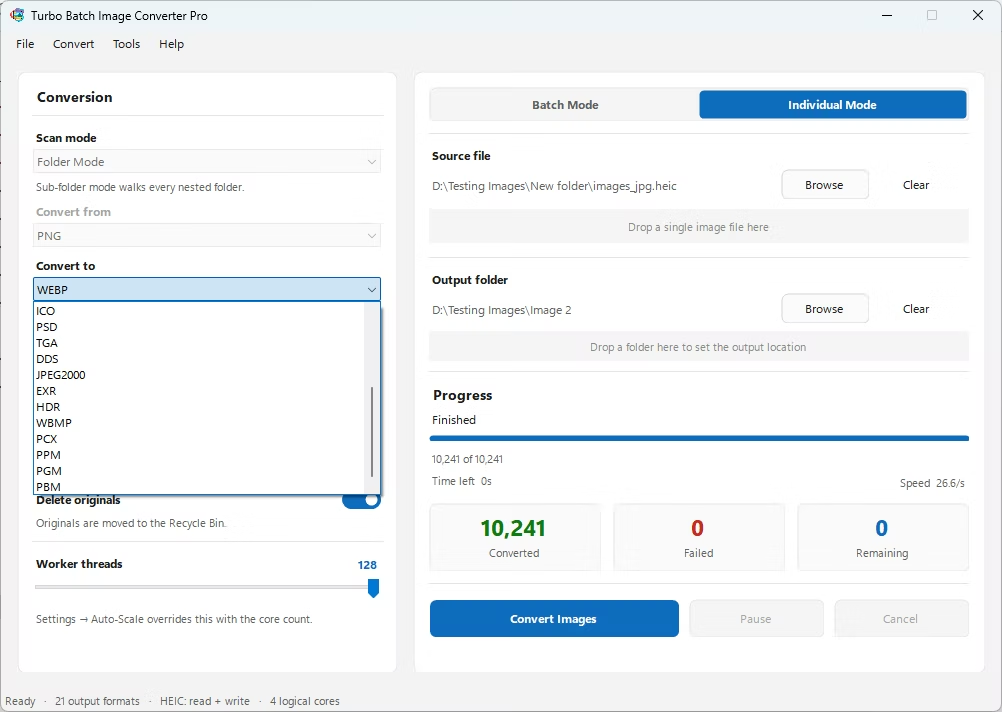
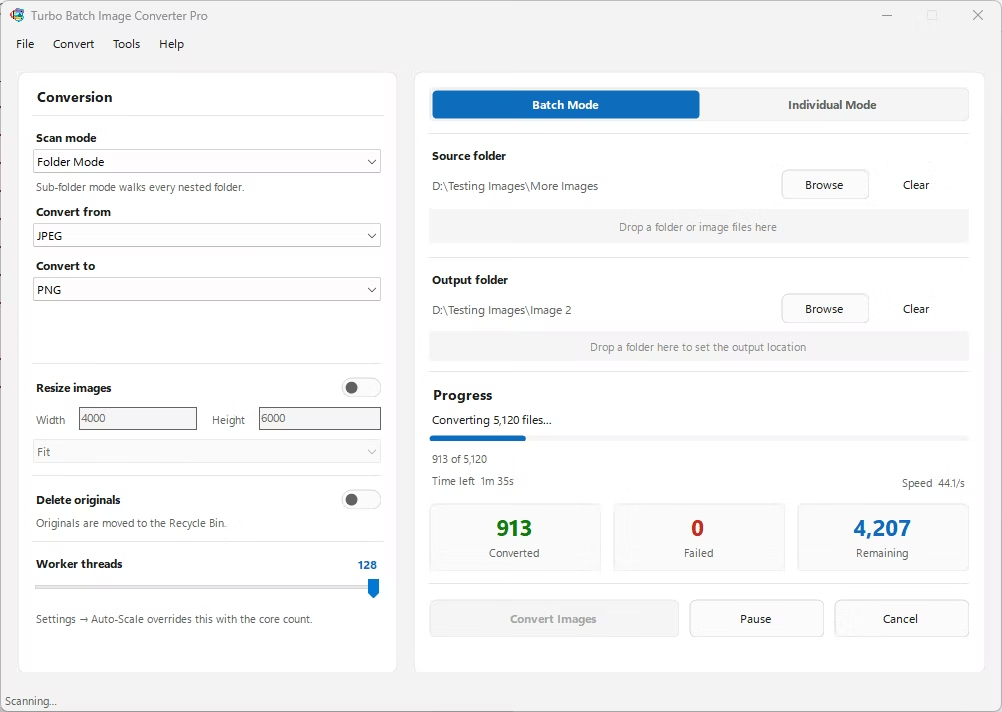
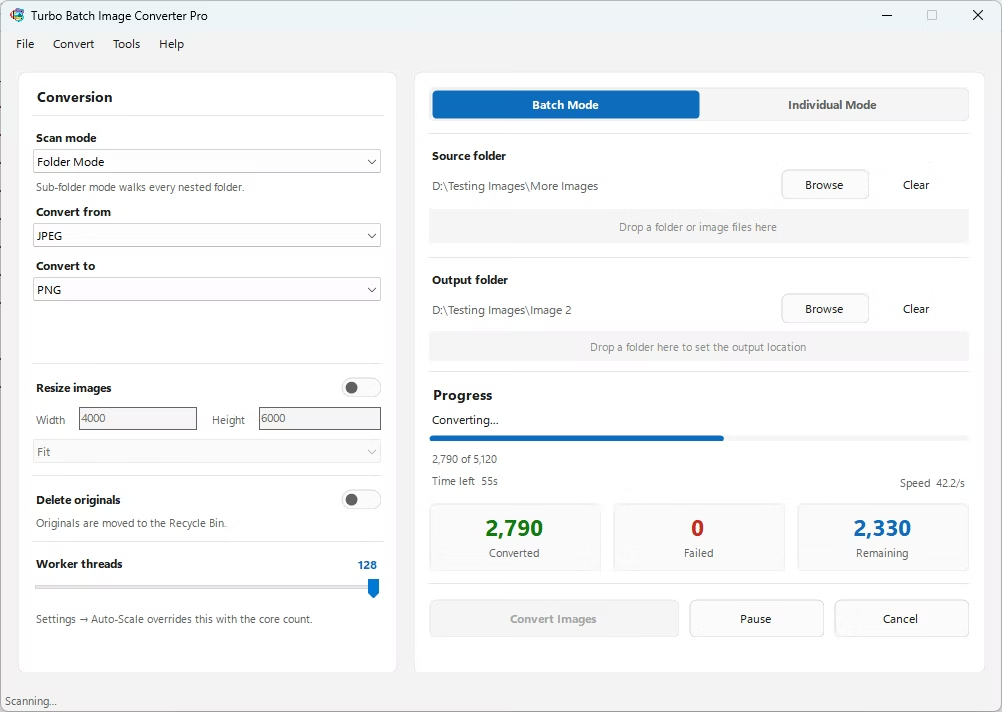
- Broad format coverage, including both everyday formats and RAW camera formats
- Batch and Individual modes, so single files and large jobs are both handled well
- Recursive sub-folder scanning for processing organized, nested libraries
- Adjustable compression and quality settings for size-conscious formats like JPG
- Built-in resizing with fit, fill, or stretch options
- Multi-core processing that scales with available CPU resources
- Option to automatically delete original files once conversion completes
Turbo Batch Image Converter Pro is built to cover that full list in one application. It supports 25 standard image formats plus 47 RAW camera formats, offers both Batch and Individual conversion modes, and includes recursive sub-folder scanning so an entire nested photo library can be processed in one job. Resizing is built in with fit, fill, and stretch modes, JPG output includes adjustable compression, and conversion scales across up to 32 concurrent workers on multi-core systems.
It also includes the smaller conveniences that add up over time, like an option to automatically delete original files once you've confirmed a conversion was successful, and runs entirely offline so none of this depends on an internet connection.
Is more features always better in a converter?
Not necessarily — what matters is whether the features match your actual workflow. A photographer benefits from RAW support and resizing, while someone doing occasional format swaps may only need the core conversion itself.
Does supporting more formats slow down the software?
Not when format-specific decoding is implemented efficiently. Well-built converters use multi-core processing so additional format support doesn't come at the cost of speed.
Can one tool really replace several single-purpose converters?
Often yes, if the tool covers the format range and feature set you need, which reduces the need to switch between separate apps for resizing, RAW conversion, and everyday format changes.
Ready to convert your images offline, in bulk, with full privacy?